GTA VI Won't Fix Gaming's 64-Cent Problem
Xbox loses 64 cents on every dollar and just cut 3,200 jobs. Here's why even the biggest game launch in history can't fix gaming's broken economics.
By Abhijit
Home
Xbox loses 64 cents on every dollar and just cut 3,200 jobs. Here's why even the biggest game launch in history can't fix gaming's broken economics.
By Abhijit

No single game — not even the biggest launch in history — can repair an industry that loses money on the fundamentals. Grand Theft Auto VI will sell tens of millions of copies this fall. It will not fix the broken unit economics that just cost 3,200 people their jobs at Xbox.
That gap between one spectacular hit and a structurally unprofitable business is the entire story. And Microsoft just said so out loud.
Microsoft cut 4,800 jobs this week, roughly 2.1% of its global workforce, and Xbox absorbed the deepest wounds (Business Insider, 2026). Gaming lost 1,600 roles immediately, with 3,200 cuts, one in five Xbox employees, planned for the fiscal year ending in June.
New Xbox CEO Asha Sharma refused to dress it up. "Our business today is not healthy," she wrote to staff, adding that Xbox runs at margins "3–10x lower than comparable platform and publishing businesses."
Here's the number that should stop you. In a typical year, Xbox loses 64 cents for every dollar it invests (Business Insider, 2026). Her response is structural, not cosmetic: a new COO role built around P&L discipline, and an org flattened to no more than three management layers. "History is full of companies that mistake longevity for inevitability," she wrote. "We will not be one of them."
Because modern gaming revenue is recurring, not one-off. Live services, subscriptions, and battle passes now carry studios, while a single premium launch is a spike that fades within two quarters. A hit inflates headline revenue; it does nothing to the margin structure underneath.
The math punishes the hit-maker. Blockbuster development runs hundreds of millions upfront, and post-launch revenue is unpredictable, so studios turn risk-averse and copy whatever formula worked last.
Then the platform takes its cut. Storefront fees, subscription bundling, and revenue-sharing deals skim developer returns before a studio sees a rupee of profit. Microsoft loading dozens of titles into Game Pass is great for players and brutal for the single-title sales those studios used to depend on.
Gaming has caught the same disease that Hollywood never cured, and it deserves a name.
The Tentpole Trap: The belief that one blockbuster release can carry the fixed costs and structural losses of an entire industry, when it only masks them for a single reporting cycle.
Think about how a Marvel film works. One release can spike a studio's headline revenue, but it does nothing about sequel dependence, ballooning marketing costs, or an industry-wide talent shortage. The tentpole holds up the box office for a weekend, not the business model for a decade.
GTA VI is that tentpole. It arrives 13 years after the last installment as the most anticipated launch ever, and it will pull lapsed players back and sell consoles. But Take-Two's windfall is Take-Two's windfall. It does not lower Xbox's costs, widen Sony's margins, or keep a mid-size studio's lights on.
At least six structural problems sit beneath the industry, and a record-breaking launch touches exactly none of them. This is the part the hype cycle skips.
The hardware crack is already biting. A global memory shortage, driven partly by the AI data-center boom devouring the world's chip and memory supply, has pushed Xbox and others to raise prices. Analysts warn gaming is starting to feel like a luxury hobby rather than a cheap pastime.
The trust crack is self-inflicted. Sony's plan to scrap physical PlayStation discs for digital-only starting in 2028 drew backlash from fans and veteran developers, who fear losing access to games they already paid for. That fear is not hypothetical: Sony recently pulled more than 500 StudioCanal titles from libraries over a licensing dispute. Kill the disc, and you kill the resale market too.
The audience crack is the quietest and the deadliest. Younger players increasingly live inside Fortnite and Roblox, social live-service worlds built on continuous engagement, not a one-off narrative campaign. A console tentpole does not pull those players off mobile and cloud ecosystems at scale.
The fixes are structural and boring, which is exactly why they work where a blockbuster won't. None of them fit in a launch trailer.
That last point is the friction nobody markets. Studios pivoting from cinematic launches to live-ops face a genuine skills mismatch, and pretending a hit erases it just delays the reckoning.
The Gridpulse Brief — We decode the business machinery behind the tech and entertainment you actually use, the margins, the layoffs, and the numbers the launch trailers hide. Join thousands of readers getting the so-what behind the headlines every week. → Subscribe here
Early research on AI and cognition suggests offloading to chatbots can weaken recall, persistence, and problem-solving. One MIT study found essay writers using gen AI performed worse over time.

Google's Gemini Omni Flash generates and edits video in conversation at $0.10/second. Here's what the API actually delivers — and where 720p hits a wall.
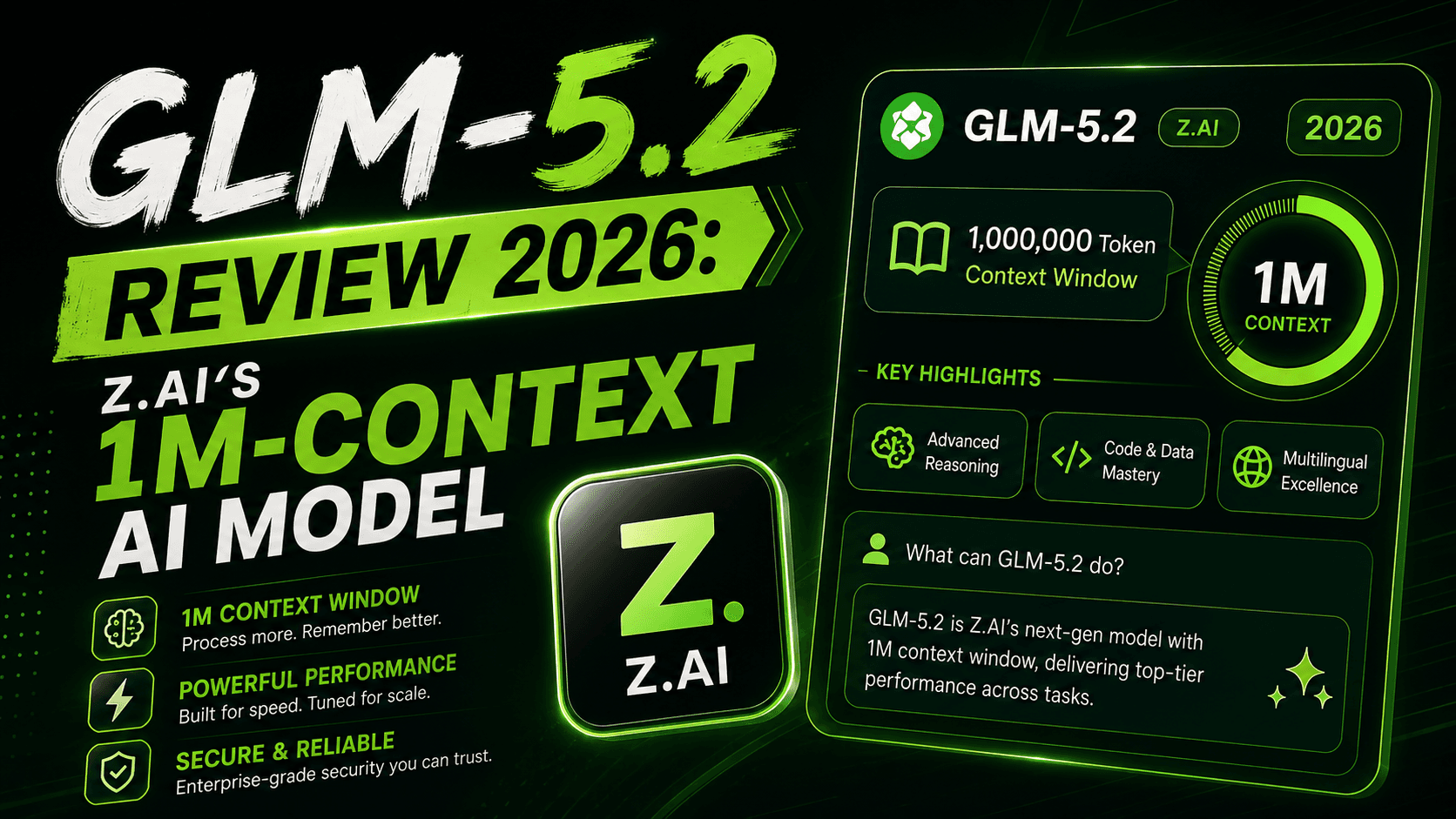
Z.ai shipped GLM-5.2 with a 1M-token context window and zero benchmarks. Here's what's confirmed, what's hype, and whether to switch today.

Anthropic's 11 Cowork plugins erased a real margin pool overnight. The mechanism, the casualty list, and what it does to Indian IT services next.

Two free skills, one reference folder, and the exact prompts I used to ship a $10K-tier animated portfolio in Claude Code. No agency, no boilerplate.
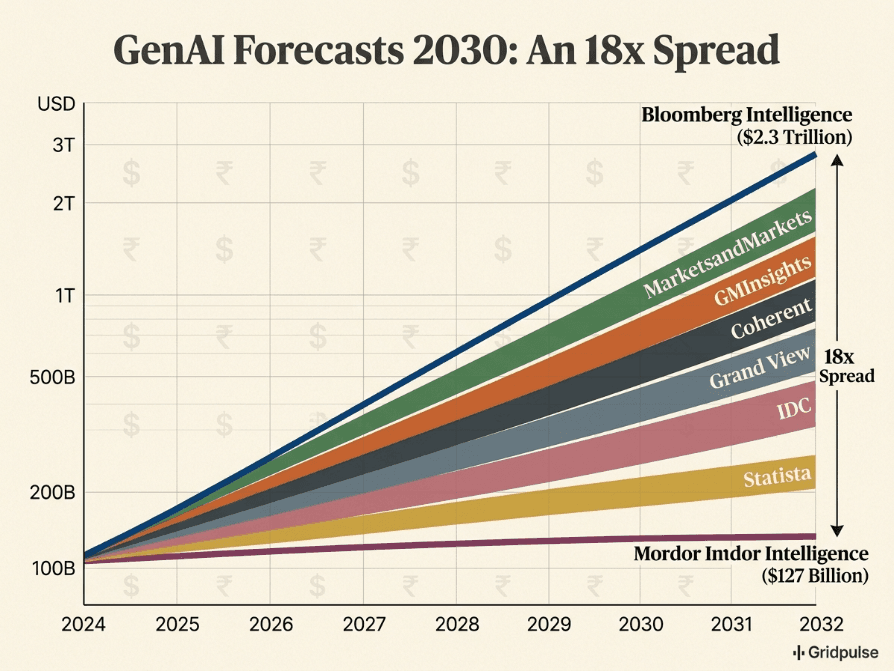
Bloomberg sees $2.3T. Mordor sees $127B. The same market, the same year — here's why every generative AI forecast through 2030 is fighting a different war.
Get weekly curations of the best articles, resources, and insights directly to your inbox about AI, Tech, Finance & Business.