Apple Is Blocking Vibe Coding Apps — Here's What That Means
Apple is blocking vibe coding apps like Replit and Anything from the App Store. Here's what the dispute means for AI app development on iPhone and Indian founders.
By Abhijit
Home
Apple is blocking vibe coding apps like Replit and Anything from the App Store. Here's what the dispute means for AI app development on iPhone and Indian founders.
By Abhijit
Apple has quietly blocked updates for several AI-powered vibe coding apps — including Replit, Vibecode, and Anything — escalating a dispute that sits at the heart of how software gets built and distributed on mobile.
This is not a niche developer story. Vibe coding apps are the tools that let anyone — not just engineers — describe an idea in plain English and get working software back in minutes. Apple's decision to freeze updates for these platforms affects a category that generated an 84% surge in App Store submissions in a single quarter. What Apple decides here will shape who gets to build apps on the world's most valuable mobile platform, and on whose terms.
The friction started surfacing publicly in mid-March 2026, when reports emerged that Apple had quietly stopped approving updates for Replit and Vibecode. Both companies began receiving rejections citing App Store Review Guideline 2.5.2 — a rule that has existed since long before AI coding became a category.
The most dramatic case involved Anything, an app that helped users build small tools and automations through natural language prompts. Its co-founder, Dhruv Amin, said Apple had been blocking updates since December 2025. After attempting to modify the app so that vibe-coded outputs would open in a web browser rather than run inside the app itself, Apple blocked that update too — and removed the app entirely on March 26, 2026. It briefly returned on April 3, only to be pulled again when Apple said the app could not market itself as an app maker.
The numbers give you the scale of what Apple is dealing with. App Store submissions hit 557,000 new apps in full-year 2025. Monthly submissions rose 56% by December 2025 compared to the prior year. At peak volume, Apple was processing roughly 200,000 weekly submissions. Review times that historically ran 24 to 48 hours stretched to 7 to 30 days for some developers during this period.
Replit's CEO Amjad Masad was direct about the commercial impact. Since its last approved update in January 2026, Replit's iOS app fell from first to third place in Apple's free developer tools rankings — a drop the company attributes in part to its inability to ship improvements. Meanwhile, Cursor — a separate AI coding tool — surpassed $2 billion in annualised revenue and was valued at $29.3 billion after a $2.3 billion funding round. The vibe coding category is not a side project. It is one of the fastest-growing segments in technology.
The rule Apple is enforcing — Guideline 2.5.2 — states that apps must be self-contained and cannot download, install, or execute code that changes their functionality or that of other apps. It was designed to prevent malware, hidden features, and policy evasion through code downloaded after Apple's review process is complete.
The problem is that vibe coding apps do something the rule was never built to handle. When you describe an app to Replit or Anything, the AI generates code and then displays it — sometimes running it inside an embedded web view within the same app. Apple's reviewers approved the original apps. But the generated software that runs inside them was never reviewed. That is the gap Apple is trying to close.
Apple's stated position is that this is not a crackdown on vibe coding as a category — it is about the security boundary that its review process depends on. An Apple spokesperson told multiple outlets that the guideline promotes innovation while ensuring user safety. When Amin got Apple on a call, the company cited a specific concern: a user could theoretically build a harmful app, sideload it onto their device, and claim it passed Apple's App Review.
That concern is technically legitimate. It also happens to protect Apple's business model.
This is a platform power story wearing a security badge. Apple probably has a genuine point about unreviewed code running on iPhones — that is a real risk. But the enforcement has been inconsistent enough to raise serious questions about what is actually driving it.
Anything was pulled and restored twice within two weeks. Replit was told to open generated apps in an external browser rather than in-app — a workaround that Apple itself suggested. Vibecode was told to remove the ability to generate software for Apple platforms entirely. None of these outcomes follow an obvious logic. The co-founder of Anything described going through four full technical rewrites trying to comply with Apple's shifting requirements.
Here is the part that Apple has not addressed publicly: Apple is simultaneously building vibe coding capabilities into Xcode, its own developer environment, and has partnered with Google to use Gemini models in its own AI stack. The company that restricts third-party vibe coding apps is building its own. That is not illegal, but it does make the security framing harder to accept at face value.
For Indian developers and founders specifically, this matters now. India is the third-largest iOS developer market globally. Platforms like Replit and Lovable are increasingly popular among Indian early-stage founders building MVPs without large engineering teams. If these tools are hamstrung on iOS, mobile-first Indian founders face a real product gap — either they build for web only, accept a degraded iOS experience, or navigate a compliance process that even well-funded US startups have found opaque and exhausting. The Android side of this equation looks entirely different: Google's Play Store has applied no equivalent restrictions to vibe coding apps.
Two things are worth watching closely. First, whether Apple updates Guideline 2.5.2 to create a defined category for AI-generated code previewed in a controlled sandbox. The current rule was written for a world where apps were static — it was not designed for software that writes software. Apple will eventually have to choose between rigid enforcement and policy modernisation, because the volume of vibe-coded apps is not going to slow down.
Second, whether Epic Games founder Tim Sweeney's very public criticism moves anything. Sweeney called Apple's behavior toward developer tools apps "abhorrent to the founding principles of Apple" and invoked Steve Wozniak in the same breath. That kind of framing, from someone already in active litigation with Apple, raises the political temperature on a dispute that might otherwise stay inside developer communities.
The most likely near-term path is that Replit and Vibecode get approved under modified terms — opening generated apps in external browsers rather than in-app. That preserves a limited version of the experience but removes the seamless preview that makes these tools compelling on mobile. Anything's path back into the App Store remains genuinely uncertain.
Apple's clash with vibe coding apps is really a question about who controls the next layer of software creation. The security argument is real but selective. The enforcement has been inconsistent. And the company enforcing the rules is building competing tools in the background. Founders building in this space — especially in India, where mobile is everything — need to design their products with one eye on what Apple's gatekeepers will accept, because the rules are still being written in real time.
If you found this breakdown useful, there is more where this came from.
The Gridpulse Brief lands in your inbox every Sunday morning — five stories across AI, Tech, Finance, Business, and Science, already read, already analysed, already explained. No algorithm. No noise. Just the week's most important developments and exactly what they mean for you.
Free forever. One click to unsubscribe anytime.
Subscribe to The Gridpulse Brief
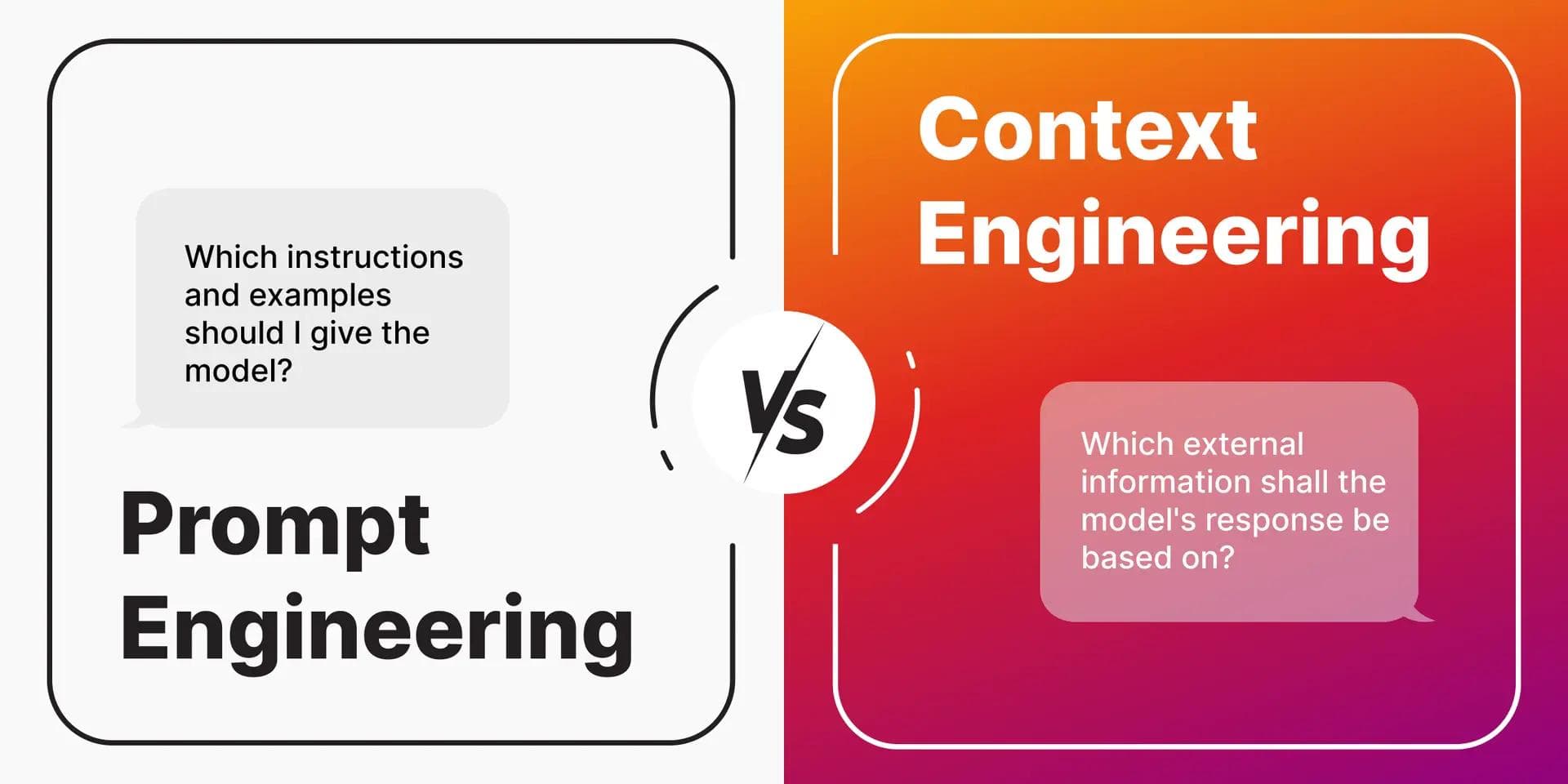
Learn what prompt engineering really is in 2025—from zero-shot basics to context engineering and RAG. A practical beginner's guide that goes beyond "magic phrases" into systems that actually work.
Vibe coded your app but can't make money from it? Add these 5 reliability layers — auth, errors, state, deploy, tests — before your first paying customer arrives.
Learn how to use Claude Opus for free in your terminal by connecting Agent Router's free API credits to Claude Code. Step-by-step guide for Windows, macOS, and Linux.
Kimi K2.6 beat GPT-5.5 in a viral coding contest. Here is what the benchmarks, pricing, and real agent data actually say about which model wins for your workflow.

A UX audit finds what's actually breaking your product's user experience. Here's how it works, what it costs, and why Indian startups need one now.

The 6 AI sectors generating real revenue for entrepreneurs in 2026 — healthcare, fintech, e-commerce, edtech, legal, and marketing automation explained with Indian angle.
Get weekly curations of the best articles, resources, and insights directly to your inbox about AI, Tech, Finance & Business.