What Is a UX Audit and Why Your Favourite App Needs One
A UX audit finds what's actually breaking your product's user experience. Here's how it works, what it costs, and why Indian startups need one now.
By Abhijit
Home
A UX audit finds what's actually breaking your product's user experience. Here's how it works, what it costs, and why Indian startups need one now.
By Abhijit

Your favourite app probably has a UX problem you have learned to live with. A UX audit is the process that finds it, names it, and fixes it — before it costs the company users it can't afford to lose.
A UX audit is a structured review of how well a digital product works for the people who use it, ending in a prioritised list of exactly what to fix.
Indian digital products are at an inflection point. In 2026, the average Indian smartphone user has over 40 apps installed but actively uses fewer than 12. Apps that don't deliver immediate value get deleted — and the margin for poor UX is now essentially zero.
Beyond apps, e-commerce conversion rates in India hover around 1.5% to 2%, compared to a global average closer to 3.5%. A significant portion of that gap is pure UX friction. Companies like Meesho have invested heavily in simplifying their checkout flows specifically because every additional step costs them real money in abandoned carts.
UX audits are the mechanism that identifies exactly where that friction lives — and what to do about it.
A UX audit is not one thing. It is a combination of methods that together give a complete picture of where a product is failing its users.
An expert walks through the product as if they are a first-time user. They test every core flow — onboarding, navigation, checkout, search — against established usability principles. The goal is to find problems before users do, not after they have already left.
Heuristics tell you what looks wrong. Data tells you what actually is wrong. Heatmaps, session recordings, and funnel drop-off analysis show exactly where users abandon a flow and how many do it. A 60% drop-off rate on a checkout page is not a design opinion — it is a number with a cause that can be found and fixed.
Real users attempt specific tasks while an observer watches. Nothing reveals a UX problem faster than watching someone try to find the search bar, fail, and give up. The product team is always surprised. They are almost always wrong about what their users find intuitive.
Most Indian products fail basic accessibility standards. Colour contrast ratios below 4.5:1 — the WCAG minimum — make text unreadable for users with low vision. Font sizes set in pixels break on certain Android devices. These are not edge cases; they affect a measurable percentage of every user base.
The audit ends with a ranked list of issues. Critical problems — broken navigation, confusing onboarding, inaccessible elements — get fixed first. Minor aesthetic inconsistencies go to the bottom. The prioritisation is what separates a useful audit from a document that sits in Google Drive and changes nothing.
Indian startups face some of the most complex UX challenges anywhere in the world. They must work on ₹8,000 Android devices and ₹1,20,000 iPhones simultaneously. They serve users in Hindi, Tamil, Bengali, and English across the same platform. And they operate in markets where internet speeds still vary enormously between urban and rural areas.
Companies like Swiggy and Zomato run continuous UX testing cycles as a standard practice. Zepto's expansion — from zero to ₹10,000 crore in GMV in under three years — was built partly on an obsessive focus on reducing time-to-checkout. Every second removed from the ordering flow was a conversion improvement at scale.
The challenge is that most early-stage Indian founders treat UX as a later-stage problem. It is not. A confusing onboarding flow on day one is the reason 40 to 60% of first-time users sign up and never return, a figure documented consistently across SaaS and consumer product research.
A UX audit is the same as a redesign. It is not. An audit identifies what is broken and why. A redesign changes structure and visual design. Many of the best audit outcomes are targeted fixes — moving a button, cutting a form from seven fields to three — that have outsized impact without touching anything visual.
You need a large budget to run one. Professional agency audits in India start at roughly ₹5 to 15 lakh for a comprehensive review. But a focused internal audit — recording user sessions, analysing drop-off data, running five user tests — costs almost nothing and surfaces most of the critical issues. Tools like Hotjar and Microsoft Clarity have free tiers that work adequately for early-stage products.
UX audits are only for consumer apps. B2B SaaS products arguably need them more. Enterprise tools used by procurement teams, HR departments, and operations staff are notoriously difficult to use — and since the buyer and the user are different people, usability problems take longer to surface and cause more cumulative damage before anyone fixes them.
Once audited, a product doesn't need another one. Users change. Features change. Competitors change. A UX audit is not a one-time event — it is a periodic review, ideally conducted before major releases and after any significant shift in user behaviour data.
UX auditing is being changed by AI. Tools like Maze and UserTesting have started incorporating AI analysis that identifies usability patterns across hundreds of session recordings in minutes rather than days. This is compressing audit timelines significantly.
Expect AI-assisted UX audits to become standard in Indian product teams within the next 12 to 18 months — particularly in funded startups where product development velocity makes manual audit cycles impractical. The teams building this capability now will have a compounding advantage over those that wait.
The second development to watch is accessibility regulation. India does not yet have enforcement mechanisms comparable to the EU's European Accessibility Act, but regulatory attention is increasing. Products that build accessibility into their standard audit process now will be well ahead of whatever compliance requirements arrive next.
How long does a UX audit take? A focused audit of a single user flow — like an onboarding sequence or checkout — takes two to four days. A comprehensive audit of an entire product typically runs two to four weeks depending on scope.
Should the audit be done internally or by an external agency? Both have value. Internal teams know the product but have blind spots from familiarity. External auditors see the product the way a first-time user does. The most thorough outcomes combine both: an external audit followed by internal implementation with ongoing monitoring.
What is the ROI of a UX audit? The arithmetic is direct. A product with a 2% conversion rate that improves to 2.5% on ₹50 crore in annual revenue adds ₹12.5 crore. A single audit that drives that improvement pays for itself by an order of magnitude. The challenge is measuring the causal link clearly — which is why pre- and post-audit analytics tracking matters.
Which tools are typically used? Common tools include Hotjar and Microsoft Clarity for heatmaps and session recordings, Google Analytics for funnel analysis, Maze and Lookback for user testing, and the Axe browser extension for accessibility checks. Most have free tiers adequate for early-stage products.
A UX audit is how a product team finds out what their users actually experience — not what the team assumes they experience. It locates the specific friction points that cost conversions, drive uninstalls, and prevent users from reaching the moment where they understand why the product exists.
For Indian founders and product teams, the question is not whether your product has UX problems. It does. The question is whether you find them before your users do — or after they have already left and taken their retention value with them.
If this made something click, The Gridpulse Brief makes the week's most important stories click just as clearly every Sunday.
The Gridpulse Brief lands in your inbox every Sunday morning — five stories across AI, Tech, Finance, Business, and Science, already read, already analysed, already explained. No algorithm. No noise. Just the week's most important developments and exactly what they mean for you.
Free forever. One click to unsubscribe anytime.
Subscribe to The Gridpulse Brief.
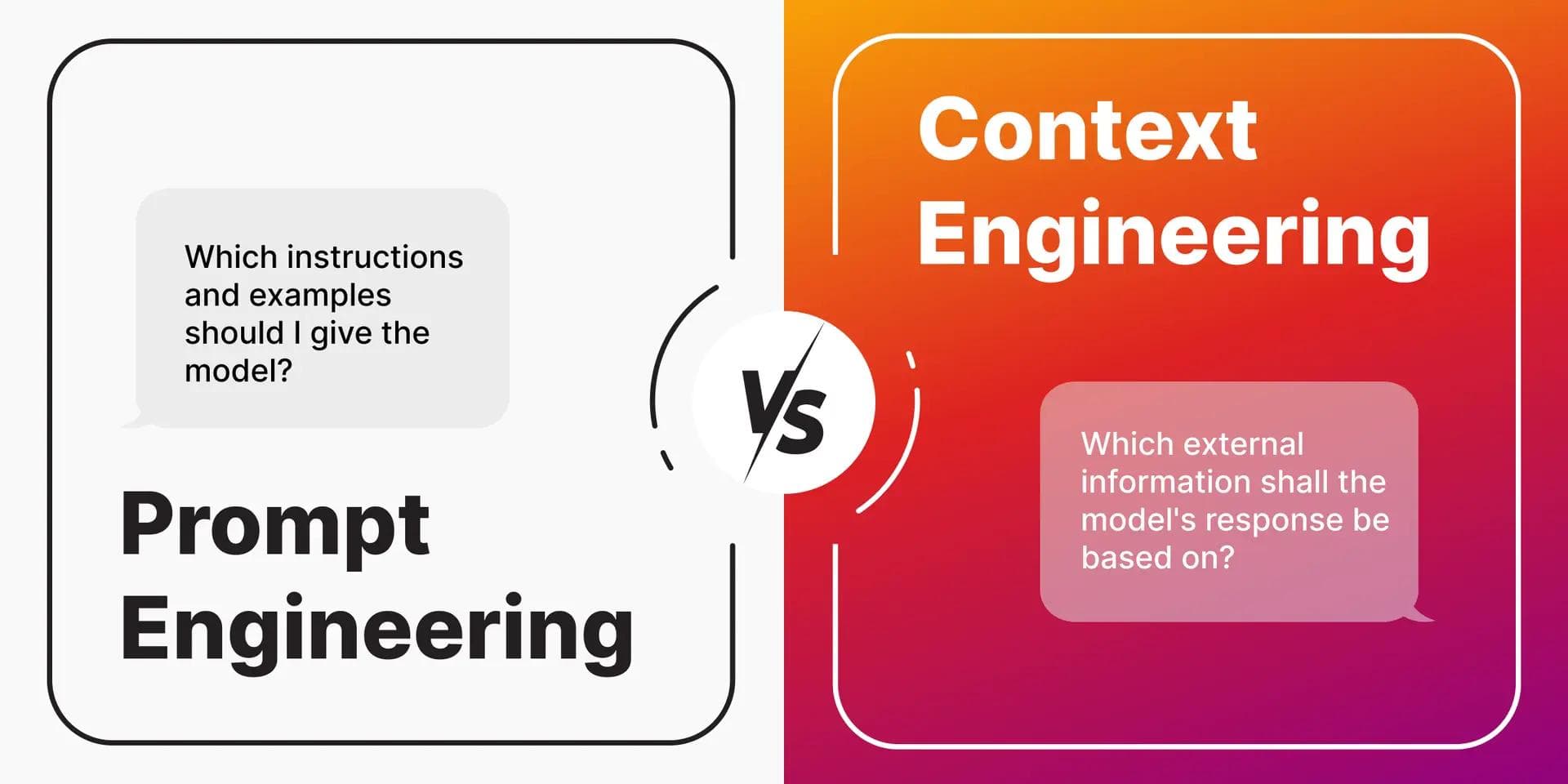
Learn what prompt engineering really is in 2025—from zero-shot basics to context engineering and RAG. A practical beginner's guide that goes beyond "magic phrases" into systems that actually work.

Vibe coded your app but can't make money from it? Add these 5 reliability layers — auth, errors, state, deploy, tests — before your first paying customer arrives.
Learn how to use Claude Opus for free in your terminal by connecting Agent Router's free API credits to Claude Code. Step-by-step guide for Windows, macOS, and Linux.

Kimi K2.6 beat GPT-5.5 in a viral coding contest. Here is what the benchmarks, pricing, and real agent data actually say about which model wins for your workflow.

The 6 AI sectors generating real revenue for entrepreneurs in 2026 — healthcare, fintech, e-commerce, edtech, legal, and marketing automation explained with Indian angle.
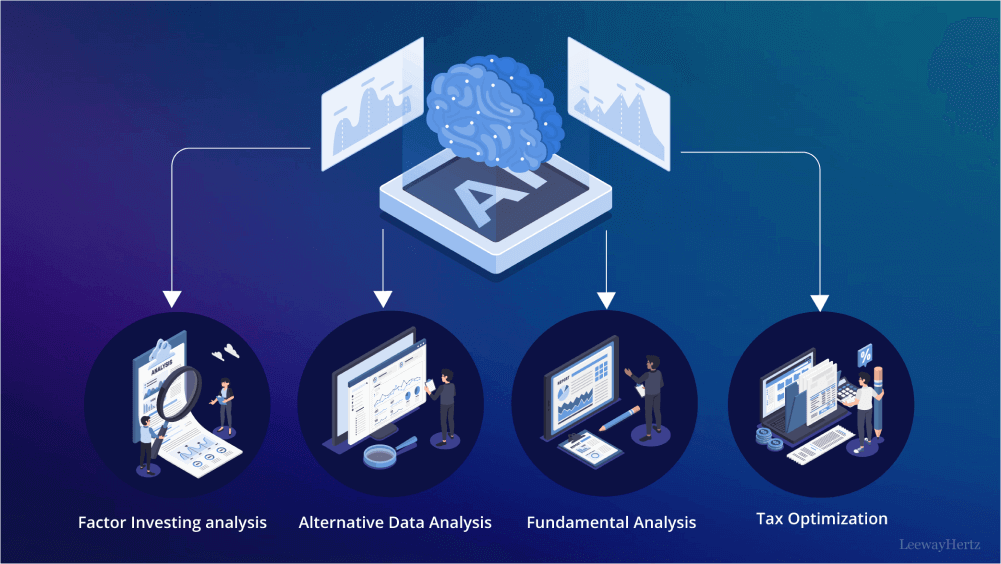
Learn how to use AI to analyze your stock portfolio in 2026 — free tools, ChatGPT prompts, and a step-by-step guide built for investors.
Get weekly curations of the best articles, resources, and insights directly to your inbox about AI, Tech, Finance & Business.