Apple Settles $250M Lawsuit Over Delayed iPhone AI Features
Apple agreed to a $250M settlement over delayed iPhone AI features. Here's what happened, who can claim, and what it means for iPhone buyers globally.
By Abhijit
Home
Apple agreed to a $250M settlement over delayed iPhone AI features. Here's what happened, who can claim, and what it means for iPhone buyers globally.
By Abhijit
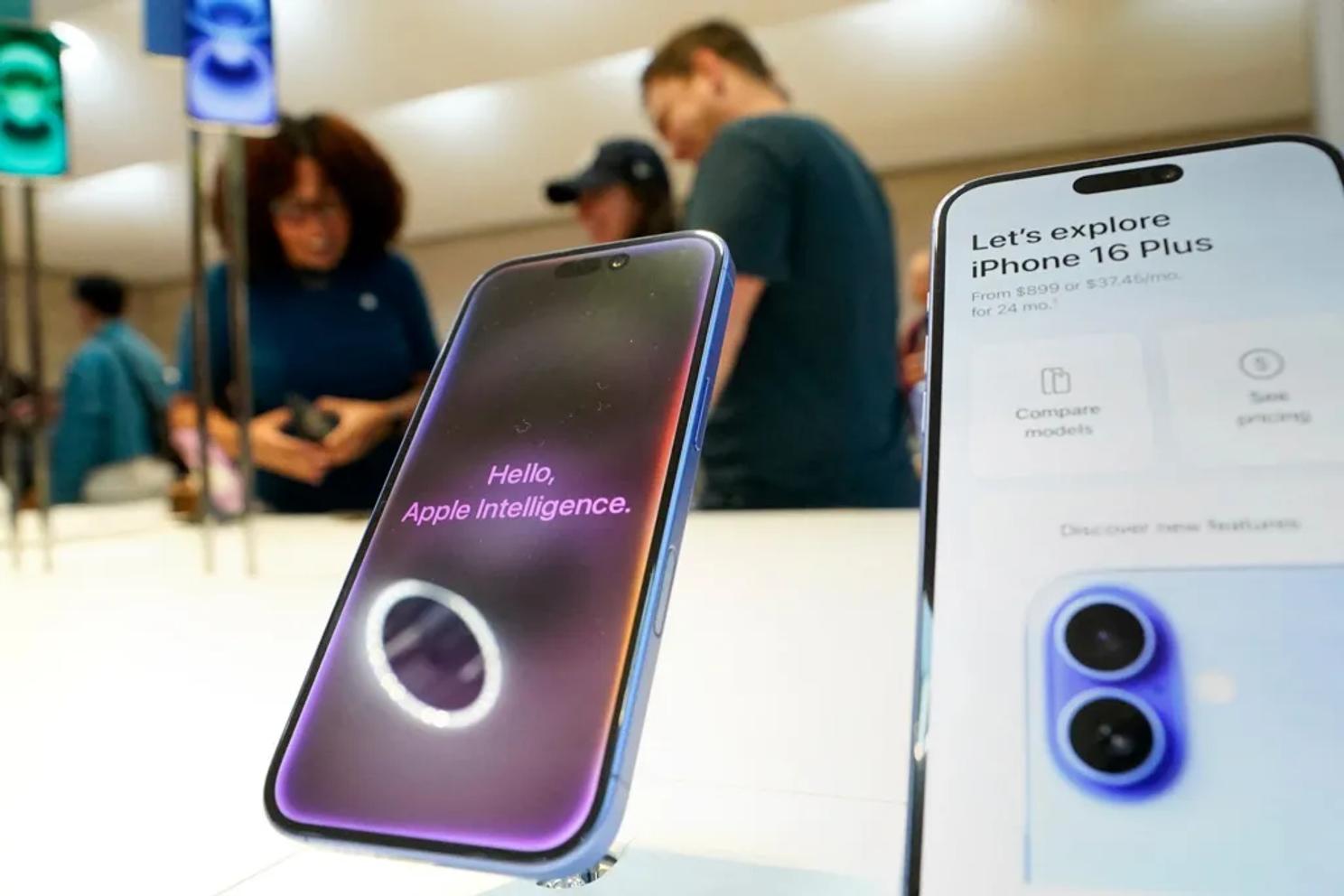
Apple reached a $250 million settlement concerning delayed artificial intelligence features in the iPhone. This is what happened, who stands to gain from it, and how it affects global consumers.
There is a lawsuit involving Apple, which was filed by US consumers claiming that Apple Intelligence technologies were not ready for the iPhone 16 and 15 Pro. It ended up being settled at $250 million.
If you bought the iPhone 16 (or 15 Pro) from late-2024 until early-2025 and were convinced to buy by Apple's AI statements, you may qualify for compensation. In a broader sense, the settlement represents a wake-up call for the tech industry: the time of announcing AI capabilities and then implementing them "some time later" may well be over due to growing consumer pushback.
The iPhone 16 series and iPhone 15 Pro were advertised by Apple as dedicated AI phones, meaning devices designed specifically for Apple Intelligence. In the commercials, Siri was depicted as an intelligent and efficient software, able to comprehend your screen, edit emails and even interface with ChatGPT. Users had to pay a hefty sum to purchase them – in India, ranging from ₹80,000 to ₹1,40,000 for similar devices.
But they failed to deliver on these features completely.
Features like Image Playground and Genmoji arrived via iOS 18.2 in December 2024. The ChatGPT-powered Siri integration followed. But the more advanced Siri capabilities that Apple demoed — the ones where Siri actually understands the context of what's on your screen and takes real action — have been pushed to late 2026. That's over two years after the iPhone 16 launched.
The litigation case concerning U.S. customers who bought qualified products from June 10, 2024 to March 29, 2025 was represented by Clarkson Law Firm. According to the class action settlement proposal offered in May 2026, the members are eligible for monetary rewards between $25 and $95 for each purchase, contingent upon the validity of their claims. It should be noted that Apple is not acknowledging any wrongdoings throughout the process.
The discrepancy between Apple's marketing and its actual products did not come about as a result of any accidental oversight on their part. It came down to an inherent difference between expectations and realities in developing Apple Intelligence, namely Siri with an ability to interact across applications. Such innovation, involving on-device processing, works only on Apple A18 chip of the iPhone 16 and could not be scaled down much easier.
There was also a competitive pressure problem. Samsung's Galaxy S25 launched with its own AI pitch. Google was aggressively promoting Gemini integration. Apple had to show up with something big for the iPhone 16 cycle, and "coming soon" was not a marketable position when every competitor was claiming "available now."
The National Advertising Division flagged Apple's "available now" claims in April 2025 — months before this settlement — and Apple quietly pulled a high-profile ad featuring actress Bella Ramsey in which Siri performed tasks that weren't yet possible. That ad removal was a quiet admission that the messaging had gone too far.
The $250 million fine may be seen as a small sum compared to what Apple earns. The company has over $500 billion in cash at hand. In comparison, the fine makes up less than 0.05% of these funds. Apple will get the chance to settle this case without any admission of guilt, safeguarding their corporate story and allowing them to release the next iPhone models.
But here's what most coverage of this settlement misses: Apple has been running a quiet counter-narrative all along. While everyone focused on what wasn't delivered — the advanced Siri — Apple kept shipping incremental Apple Intelligence features. Writing Tools, Visual Intelligence, Clean Up in Photos, notification summaries. By the time the settlement was announced, roughly 70% of the originally teased features were live for US English users on iOS 18.4. Apple's strategy was to keep moving the conversation from "they didn't deliver" to "they're delivering, just in phases."
Whether that framing holds depends entirely on what happens with the advanced Siri in late 2026. If it ships on time and works well, Apple will call this a "phased rollout." If it slips again, the premium pricing story for iPhone 17 takes a hit that no settlement can contain. A 10 to 15% dip in early pre-orders is a realistic risk if buyers start treating Apple Intelligence as a feature that might not arrive.
For Indian buyers, the situation carries an extra layer of frustration. Apple Intelligence is not available in India at all as of mid-2026. The advanced language processing features are currently limited to US English, with EU delays compounding the issue due to DMA privacy regulations. This means Indian iPhone 16 owners — who paid the same premium price — got neither the AI features nor any claim eligibility under the US settlement. That's a real grievance, and one that Apple's PR around "global rollout" does little to address.
The broader pattern here matters too. This is part of a growing trend of "AI washing" litigation — companies making hardware-dependent AI promises to drive device sales, then discovering that chip constraints and software timelines don't care about product launch schedules. Samsung faced a $10 million settlement in 2024 over Galaxy AI delays. Meta paid $50 million over its metaverse promises. The playbook of announce-now, deliver-later is becoming genuinely expensive.
Two things to watch closely.
First, the claim deadline. Preliminary court approval of the settlement is expected by summer 2026, at which point a claims window of roughly 60 to 90 days opens. If you're a US buyer of an eligible device, you'll need proof of purchase from within the qualifying window. The actual payout per person — anywhere from $25 to $95 — will depend on total claim volume. Past settlements of this type see claim rates between 20% and 30%, which would put most recipients closer to the $95 end. But if this gets significant media attention, that number compresses.
Second, watch the iPhone 17 launch messaging. How Apple frames Apple Intelligence for the next iPhone cycle will tell you everything about how they've absorbed this lesson. If the language shifts from "available" to "coming" with specific dates, that's a sign the legal pressure has changed internal marketing standards. If the same "available now" framing returns for features that are still in development — expect more lawsuits.
Apple's $250 million settlement closes a chapter on one of the clearest examples of AI hype outrunning AI delivery. The payout is manageable for Apple. The reputational signal is not. When a company pulls its own ad and then pays a quarter-billion dollars, the message to the market is clear: you cannot sell a device on AI features that don't exist yet and expect consumers to simply wait. For every tech brand — not just Apple — this is the new cost of overpromising on artificial intelligence.
Subscribe to The Gridpulse Brief.
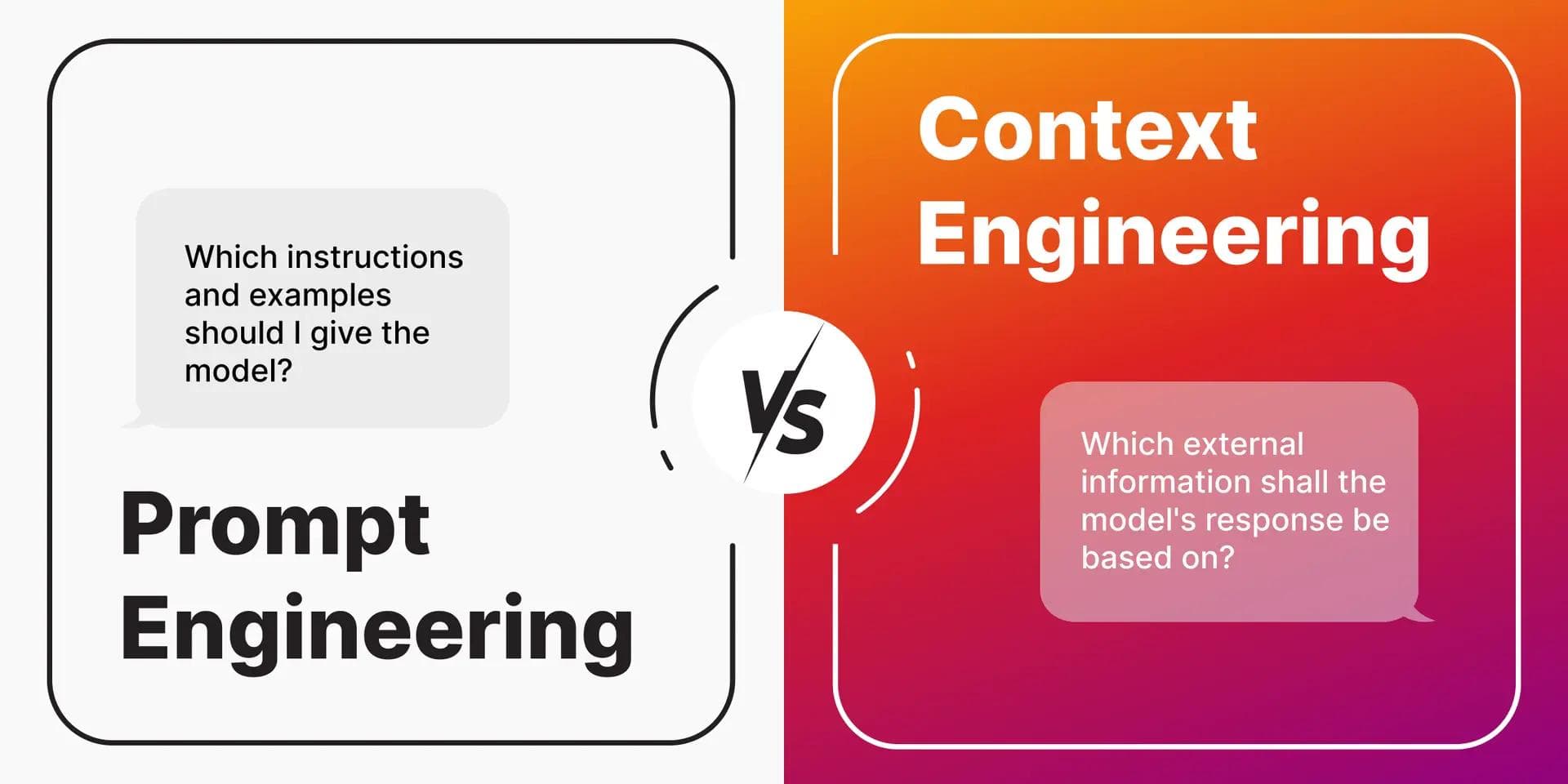
Learn what prompt engineering really is in 2025—from zero-shot basics to context engineering and RAG. A practical beginner's guide that goes beyond "magic phrases" into systems that actually work.
Vibe coded your app but can't make money from it? Add these 5 reliability layers — auth, errors, state, deploy, tests — before your first paying customer arrives.
Learn how to use Claude Opus for free in your terminal by connecting Agent Router's free API credits to Claude Code. Step-by-step guide for Windows, macOS, and Linux.
Kimi K2.6 beat GPT-5.5 in a viral coding contest. Here is what the benchmarks, pricing, and real agent data actually say about which model wins for your workflow.

A UX audit finds what's actually breaking your product's user experience. Here's how it works, what it costs, and why Indian startups need one now.

The 6 AI sectors generating real revenue for entrepreneurs in 2026 — healthcare, fintech, e-commerce, edtech, legal, and marketing automation explained with Indian angle.
Get weekly curations of the best articles, resources, and insights directly to your inbox about AI, Tech, Finance & Business.