GameStop Makes $55.5 Billion Unsolicited Bid to Acquire eBay
GameStop bids $55.5B to acquire eBay at $125 per share. Here's what Ryan Cohen is planning, how he intends to fund it, and what the Indian investor needs to watch.
By Abhijit
Home
GameStop bids $55.5B to acquire eBay at $125 per share. Here's what Ryan Cohen is planning, how he intends to fund it, and what the Indian investor needs to watch.
By Abhijit
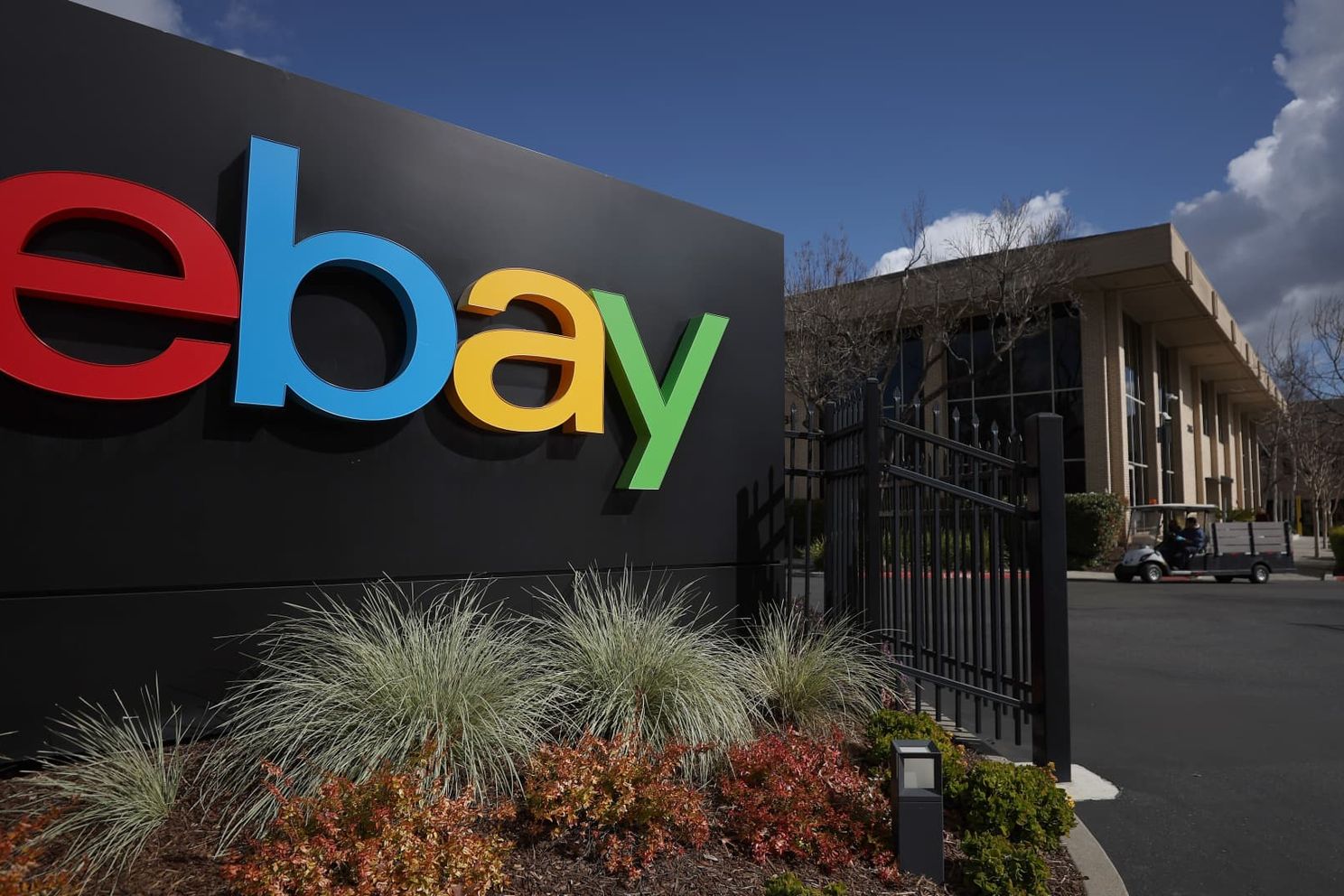
GameStop has made an unsolicited offer to acquire eBay for $125 per share, valuing the e-commerce platform at approximately $55.5 billion — in what would be one of the most audacious corporate takeover attempts in recent memory.
The bid is not only about money. The bid is Ryan Cohen – the activist investor responsible for one of the most spectacular short squeezes ever seen on Wall Street – trying to utilize a gaming store chain to create a real e-commerce empire. Should he succeed, the definition of meme stocks will be forever changed. Fail, and things will unravel pretty quickly.
On May 3, 2026, GameStop revealed the non-binding bid, shortly after having admitted that it secretly purchased a 5% stake in eBay. The offered price of $125 per share was a premium above eBay's closing price before the announcement. Shares of eBay climbed by almost 13% to $118 in after-hours trading. GME surged by 4%-9%.
The financing structure is ambitious by any measure. GameStop would commit its $9.4 billion cash pile — accumulated through years of store closures and relentless cost discipline — alongside a reported $20 billion debt commitment from TD Bank. Together, that gets Cohen close enough to the $55.5 billion he needs to actually close a deal.
His operating thesis centres on cutting $2 billion in annual costs from eBay, which he projects would drive earnings per share from the current $4.26 to $7.79. He also sees GameStop's roughly 1,600 surviving retail stores as physical infrastructure for eBay authentication and fulfillment — a capability neither company currently has at any meaningful scale.
eBay has not responded publicly. Analysts at Morgan Stanley flagged financing and execution doubts almost immediately.
Two things made this moment possible, and neither of them happened by accident.
First, there is the transformation of GameStop into what it became under Cohen. When he took over in 2021, GameStop was a moribund brick-and-mortar business that even serious investors had long since stopped considering an investment opportunity. His approach to this problem was methodical – shut down as many stores as possible, cut costs wherever he could, and build cash reserves while everyone else gave GME’s death notice. As early as 2023, GameStop became profitable. By 2026, the company had amassed almost $10 billion in cash reserves and almost zero debt – a rare feat for a business of its size.
Secondly, there is the stasis of eBay. eBay had reached the mark of $100 billion gross merchandise volume in 2020 during the height of pandemic online shopping. By 2025, eBay’s GMV dropped to $79.6 billion. The company invested $2.4 billion on marketing over the past years without turning the situation around. eBay is profitable, but it lacks a response to Amazon’s dominance and competition from specialized secondary marketplaces.
Cohen's track record gives him a credibility most CEOs of a $12 billion company simply could not claim. He built Chewy from a pet food startup into a $3 billion acquisition. He then stabilised a retailer most people assumed was unfixable. Whether he can execute at $55 billion scale is a genuinely different question — but he has earned the right to be taken seriously.
The deal math creates immediate discomfort for anyone who looks at it closely. GameStop's market cap sat around $12 billion before this announcement. eBay's was roughly $46 billion. Acquiring a company more than four times your own size using leveraged debt and a cash pile is not conventional corporate strategy — it is a concentrated bet with very little margin for error.
What most coverage missed is the model Cohen is actually running here. He is not relying purely on institutional support. GME shareholders are not passive index fund holders. They are retail investors with social media coordination, emotional conviction, and a demonstrated willingness to act collectively. If eBay's board rejects the offer, a proxy fight with GME's retail base as the voting bloc would be unlike anything eBay has ever faced.
There is also a strategic logic that is worth separating from the meme stock noise. eBay is the largest general-purpose resale platform in the world that still has no credible physical authentication network. GameStop's stores — concentrated in high-footfall mall locations — could provide exactly that layer for used electronics, collectibles, and high-value goods. The vision is not incoherent. It is simply very hard to execute.
For Indian investors, this is directly relevant. Retail participation in US equities via platforms like INDmoney and Vested has grown significantly, and GME sits in a large number of Indian retail portfolios as a high-risk, high-conviction hold. A deal that closes would likely see GME rerated sharply higher. A failed bid, or a prolonged proxy battle, creates aggressive volatility in both directions. If you are holding either stock through an Indian platform, the eBay board's formal response is the most important data point you are waiting for.
The first thing to watch is eBay's board response. A company receiving an unsolicited offer must formally respond — and eBay's public silence so far suggests Cohen's 5% stake accumulation was not flagged internally in advance. That silence will not last.
The second variable is the financing confirmation. TD Bank's reported $20 billion commitment has not been disclosed in detail — its conditions, structure, and covenants are all unknown. Until those terms become public, the deal's viability remains an open question rather than a settled one.
If eBay rejects the offer without substantive engagement, expect escalation. Cohen's entire history says he does not walk away from positions quietly. A proxy push backed by GME's retail shareholder base is the most probable next move.
GameStop's bid for eBay is real, the underlying logic is not as absurd as the headline suggests, and Cohen has done enough in his career to be taken seriously. But he is asking the market to believe a $12 billion company can responsibly acquire a $46 billion one, execute $2 billion in cost cuts, and build a coherent e-commerce hybrid — all at once. The vision holds together on paper. The execution risk is enormous in practice. Watch eBay's board response. That single moment will determine everything that follows.
If you track stories where activist investing collides with markets and big business, there is more of this kind of analysis waiting for you. The Gridpulse Brief lands in your inbox every Sunday morning — five stories across AI, Tech, Finance, Business, and Science, already read, already analysed, already explained. No algorithm. No noise. Just the week's most important developments and exactly what they mean for you. Free forever. One click to unsubscribe anytime.
Subscribe to The Gridpulse Brief
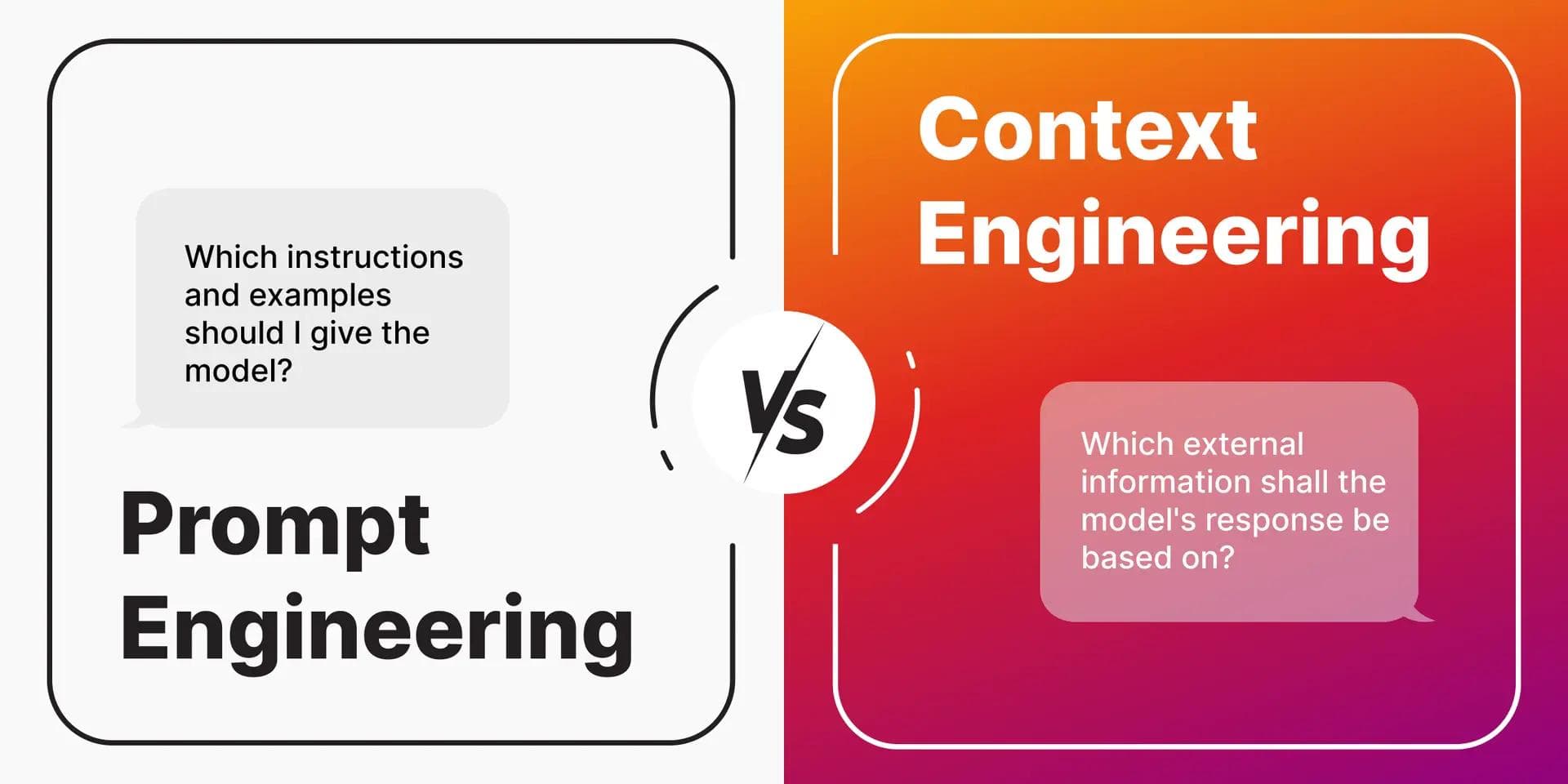
Learn what prompt engineering really is in 2025—from zero-shot basics to context engineering and RAG. A practical beginner's guide that goes beyond "magic phrases" into systems that actually work.

Vibe coded your app but can't make money from it? Add these 5 reliability layers — auth, errors, state, deploy, tests — before your first paying customer arrives.
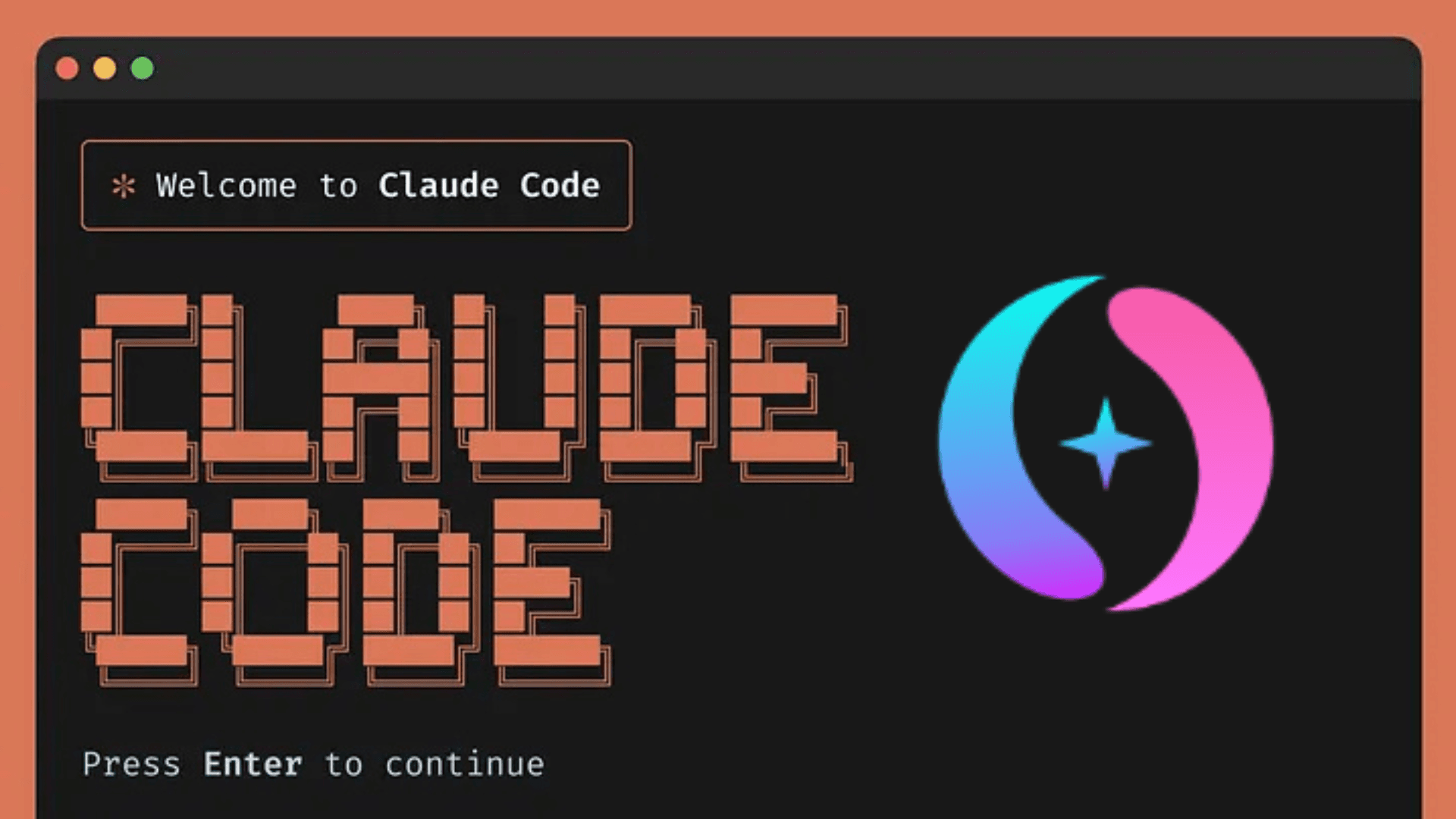
Learn how to use Claude Opus for free in your terminal by connecting Agent Router's free API credits to Claude Code. Step-by-step guide for Windows, macOS, and Linux.

Kimi K2.6 beat GPT-5.5 in a viral coding contest. Here is what the benchmarks, pricing, and real agent data actually say about which model wins for your workflow.

A UX audit finds what's actually breaking your product's user experience. Here's how it works, what it costs, and why Indian startups need one now.

The 6 AI sectors generating real revenue for entrepreneurs in 2026 — healthcare, fintech, e-commerce, edtech, legal, and marketing automation explained with Indian angle.
Get weekly curations of the best articles, resources, and insights directly to your inbox about AI, Tech, Finance & Business.