GitHub Copilot Switches to Token Billing — What It Costs You From June 2026
GitHub Copilot moves to per-token AI Credits billing from June 1, 2026. What it costs, who's affected, and how to keep your bill predictable.
By Abhijit
Home
GitHub Copilot moves to per-token AI Credits billing from June 1, 2026. What it costs, who's affected, and how to keep your bill predictable.
By Abhijit
Beginning from June 1, 2026, Copilot will no longer charge a flat fee for its artificial intelligence questions but will charge based on tokens. This can drastically affect the amount you pay monthly depending on the frequency of your use.
This is not a minor pricing tweak. GitHub is replacing its old "premium requests" system with AI Credits, where 1 credit equals $0.01, and every prompt you send consumes credits based on tokens processed. For developers running complex multi-step tasks — refactoring large codebases, automated code reviews, agentic workflows — the cost jump could be jarring. And it is happening in less than four weeks.
GitHub announced the change in April 2026. The new structure ties every paid AI interaction to a token meter, and rates vary dramatically depending on which model handles your request.
Pro subscribers ($10/month) receive $10 in AI Credits per cycle. Pro+ users at $39/month get proportionally more. Business and Enterprise tiers receive pooled credits allocated per user — meaning a heavy user on your team can draw from the collective pot shared across the organisation.
Code completions and the Next Edit Suggestions feature stay free. No tokens deducted, no change for basic autocomplete. The moment you use Copilot Chat for extended reasoning, trigger a code review, or run agentic tasks, the meter starts. Code review also stacks GitHub Actions minutes on top, so you are effectively paying twice for that feature.
Preview billing goes live in May 2026, letting admins see projected costs before the June cutover. Enterprise and Business accounts receive promotional credits through August — up to $70 for Enterprise — to soften the landing.
The old model subsidised every query at a flat rate regardless of actual compute cost. That worked when most Copilot interactions were short autocomplete suggestions. As developers started using it for longer agentic sessions — multi-step reasoning, repo-wide analysis, automated review cycles — the underlying compute costs per session ballooned.
GitHub's parent company Microsoft absorbs the API costs from OpenAI, Anthropic, and others. It could either raise flat rates dramatically or shift to metered billing. Metered billing won, and the broader industry is moving the same direction.
The Uber case makes the risk concrete. The company's engineering team reportedly exhausted its full 2026 AI budget ahead of schedule after AI began writing roughly 11% of its code. That is what uncapped agentic usage looks like at scale — and it is exactly the scenario GitHub's new credit caps are designed to prevent from destroying enterprise budgets.
Here is what most coverage has missed. The token pricing gap across models is enormous, and your costs depend heavily on which model GitHub auto-selects for each task — something you currently have limited visibility into.
GPT-5.5 output tokens run approximately $30 per million. Grok Code Fast sits at around $1.50 per million. That is a 20x spread on output alone. If Copilot silently routes your code review to a frontier model, your $10 monthly credits can disappear before mid-month.
The enterprise pooling mechanic is actually clever and almost entirely underreported. On Business or Enterprise plans, light users who barely touch Copilot effectively subsidise the heavy users on the team. That flips the "power user tax" framing into a team efficiency model. But it only works if admins actively monitor usage and set hard caps before billing periods close. There is no automatic stop once credits run out.
For engineering teams in India – from startup products in Bangalore and Hyderabad to large-scale IT services companies such as Tata Consultancy Services, Infosys, and Wipro, which have issued Copilot licenses to thousands of engineers – the transition brings a new element of cost uncertainty. India ranks third in terms of its number of developers, with an estimated 5.8 million developers in total. Rupee-denominated tech budgets approved under the old flat-rate assumptions now need to be revisited before June 1.
There is also a genuine opportunity here. Caching reduces token costs by roughly 10x for repeated context. Developers who reuse the same large file context across sessions, or who engineer prompts to reference cached material, can stretch their monthly credits significantly. Prompt engineering is about to become a financial skill, not just a performance one.
Watch for two things specifically.
First, whether flat-price alternatives gain real traction. Cursor charges $20/month with no metering. Tabnine sits at $12/month flat. Neither has GitHub's ecosystem depth, but both now offer something Copilot cannot — a predictable cost for high-volume agentic use. Expect 20 to 30% of heavy individual users to trial alternatives over the next two quarters.
Second, whether GitHub adds model-routing transparency. Copilot currently auto-selects models without surfacing the cost implication in the moment. That opacity will generate friction fast. If GitHub ships real-time credit consumption estimates per request — the way cloud providers show cost estimates before you spin up infrastructure — it would make the new model feel fair rather than punitive. Pressure for this feature will build quickly.
The flat-rate model was always a subsidy — it just hid the true cost of compute from you. Token billing makes that cost visible, which is uncomfortable but honest. The developers who adapt — routing tasks to cheaper models, building cache-heavy workflows, setting team budget caps before June 1 — will keep their bills predictable. Those who do not will get a surprise on their next statement.
If you want to stay ahead of pricing shifts like this one across AI tools and platforms, there is more where this came from.
The Gridpulse Brief lands in your inbox every Sunday morning — five stories across AI, Tech, Finance, Business, and Science, already read, already analysed, already explained. No algorithm. No noise. Just the week's most important developments and exactly what they mean for you.
Free forever. One click to unsubscribe anytime.
Subscribe to The Gridpulse Brief.
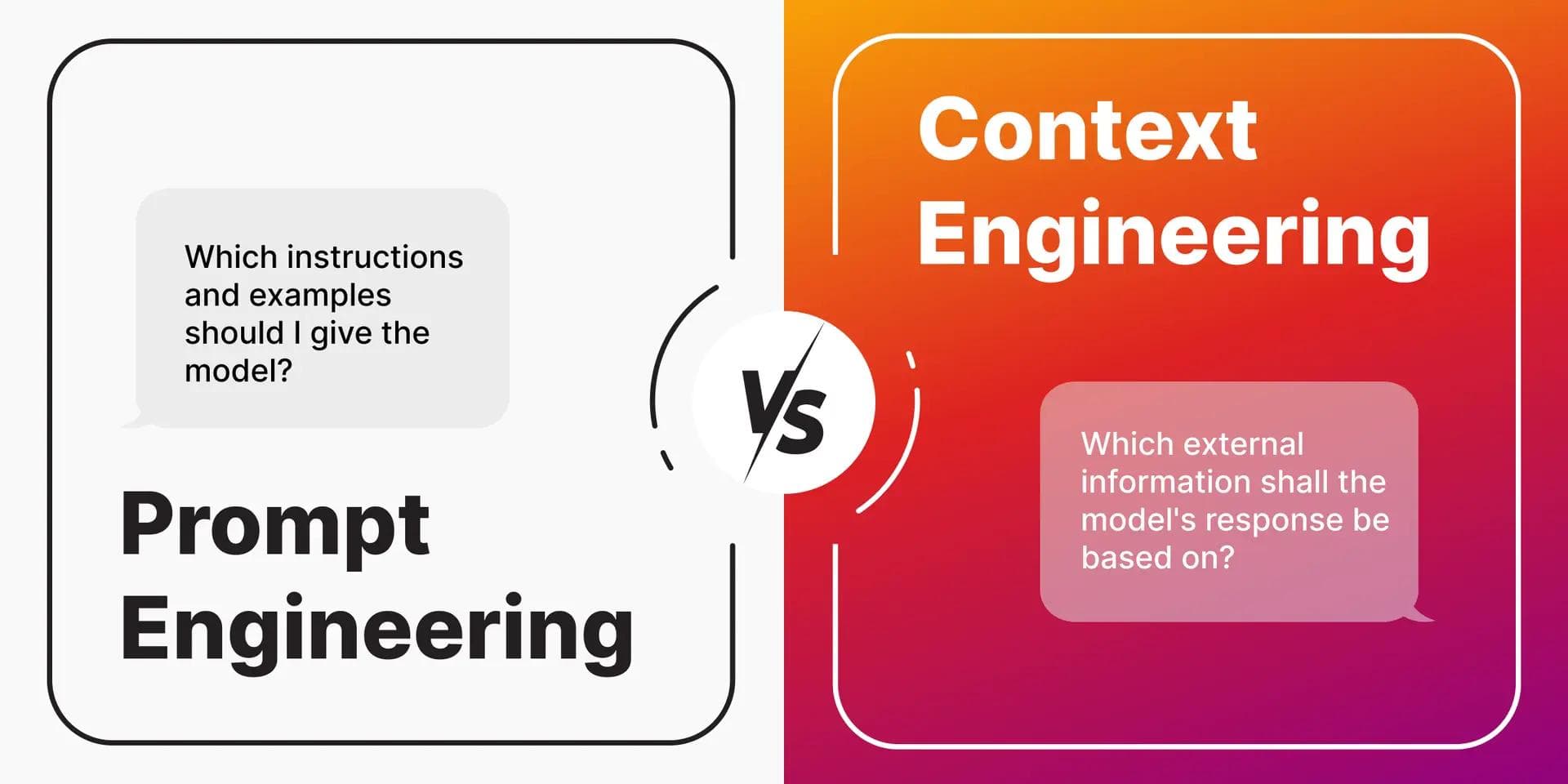
Learn what prompt engineering really is in 2025—from zero-shot basics to context engineering and RAG. A practical beginner's guide that goes beyond "magic phrases" into systems that actually work.

Vibe coded your app but can't make money from it? Add these 5 reliability layers — auth, errors, state, deploy, tests — before your first paying customer arrives.
Learn how to use Claude Opus for free in your terminal by connecting Agent Router's free API credits to Claude Code. Step-by-step guide for Windows, macOS, and Linux.

Kimi K2.6 beat GPT-5.5 in a viral coding contest. Here is what the benchmarks, pricing, and real agent data actually say about which model wins for your workflow.

A UX audit finds what's actually breaking your product's user experience. Here's how it works, what it costs, and why Indian startups need one now.

The 6 AI sectors generating real revenue for entrepreneurs in 2026 — healthcare, fintech, e-commerce, edtech, legal, and marketing automation explained with Indian angle.
Get weekly curations of the best articles, resources, and insights directly to your inbox about AI, Tech, Finance & Business.