How to Use AI to Analyse Your Stock Portfolio in 2026
Learn how to use AI to analyze your stock portfolio in 2026 — free tools, ChatGPT prompts, and a step-by-step guide built for investors.
By Abhijit
Home
Learn how to use AI to analyze your stock portfolio in 2026 — free tools, ChatGPT prompts, and a step-by-step guide built for investors.
By Abhijit
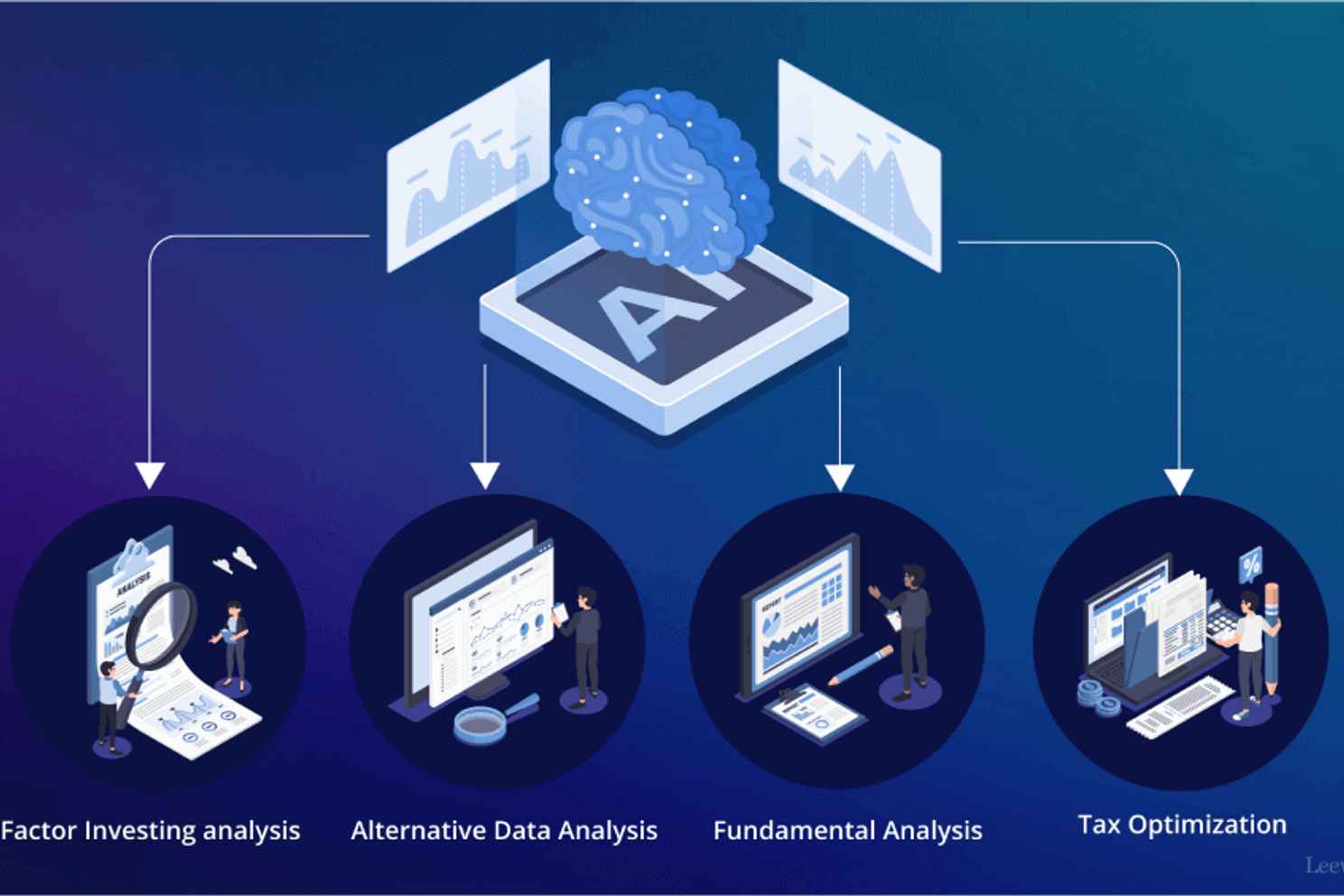
AI can now tell you more about your portfolio in 60 seconds than most people learn in years of investing — spotting hidden concentration risks, running stress tests, and flagging weak positions, all without a financial advisor or a Bloomberg terminal.
Most retail investors know what they own. Very few know what they are actually exposed to.
There is a significant difference between holding ten stocks and being genuinely diversified. If seven of those ten companies rely on the same economic driver — say, US consumer spending or Indian IT export growth — you have made the same bet multiple times, just with different names on the label.
AI surfaces this in seconds. Manual research would take hours.
The stakes are higher now than they were even two years ago. Markets in 2026 are tightly connected — a rate decision in Washington moves Indian equity and bond markets within the same session. A single concentrated position in the wrong sector can silently drag a portfolio down by 15 to 20% before the quarterly review arrives.
AI portfolio analysis closes that gap.
The question is not whether these tools exist. They do. The question is whether you are using them.
AI portfolio analysis has shifted from enterprise software costing tens of thousands of dollars per year to free tools anyone with a browser can access.
Platforms like Fillipio now grade more than 5,000 individual stocks from A to F using machine learning trained on fundamentals, technicals, and sector data. Deeptracker runs real-time portfolio risk assessment without requiring you to connect a brokerage account. ChatGPT, which costs nothing, can run a genuinely useful analysis if you feed it your holdings and ask focused questions.
The turning point was a change in what the underlying models could understand. Earlier AI tools required structured data, technical inputs, and some expertise to operate. Today's large language models — GPT-4o, Gemini, Claude — handle plain-language descriptions of your portfolio and reason across dozens of variables at once.
What used to require a professional analyst and expensive software now works with a spreadsheet export and a well-written question.
One data point puts the scale of this shift in perspective. Research across multiple finance journals shows AI models now outperform human analysts in earnings prediction accuracy by approximately 60%.
That is not a marginal improvement. That is a structural change in who can produce institutional-quality financial analysis — and who cannot afford to stay in the old way of doing things.
Three forces converged to produce this moment, and understanding them helps explain why the tools available now are so different from what existed even 24 months ago.
Analysing thousands of data points across hundreds of assets simultaneously used to require infrastructure only large institutions could afford. Cloud computing has reduced that barrier to effectively zero.
Enterprise tools that were priced at six figures annually three years ago now offer free tiers to retail users.
India's SIP revolution is the clearest local example — monthly SIP contributions crossed ₹26,000 crore in late 2024.
That created a massive new audience of non-professional investors who needed financial tools designed for them, not for institutions. Platforms responded by building AI features for this segment.
The same dynamic that drove the mobile trading app boom five years ago is now happening one layer up, in financial intelligence.
When ChatGPT crossed 100 million users in under two months, it triggered an arms race across every major technology company.
The downstream effect for retail investors is that the analytical tools available to them improved faster than most people noticed — and are continuing to improve.
Here is the part most guides skip entirely, and it is the most important part.
AI's real advantage in portfolio analysis is not speed.
Speed matters, but the deeper edge is the type of insight that was previously invisible to retail investors — specifically correlation analysis and scenario stress-testing.
Most people never did these things before not because they were lazy, but because they were genuinely difficult to do without professional tools.
You might hold ten different companies and believe you are diversified. But if seven of them generate significant revenue from the same macroeconomic driver — US tech spending, domestic consumption, rupee-dollar rates — they are correlated.
In a correction, they fall together.
A prompt like:
"analyse my portfolio for hidden correlations across revenue sources and sector exposures"
will surface this in under a minute.
A human analyst doing the same work manually across ten annual reports would take the better part of a day.
Stress-testing is equally powerful.
Ask an AI model:
"If the US Federal Reserve raises rates by 100 basis points and the rupee depreciates by 5% against the dollar, which positions in my portfolio are most vulnerable?"
That is a question most retail investors never asked because they assumed the answer required a professional.
It does not.
AI can model it in plain language, for free, right now.
For Indian investors, this capability is more valuable than the global average suggests. The Nifty 50 is heavily weighted toward financials and energy. Mid and small-cap exposure behaves differently from large-cap during rate cycles. Import-dependent businesses in your portfolio are directly affected by rupee depreciation.
A generic Western financial tool misses all of this context.
But a well-prompted AI model trained on broad economic data reasons across it naturally — if you ask it to.
The honest limitation worth stating: AI analysis is only as good as the information you give it.
If you paste your holdings without context — no investment goals, no stated time horizon, no current valuations — the output is generic.
The edge comes from specificity.
Tell the model your risk tolerance. Say whether you are focused on capital appreciation or regular income. Specify your timeline.
The more precise your input, the more the output resembles actionable advice rather than a summary anyone could produce.
One practical framing that changes how you use these tools: free AI tools like ChatGPT handle roughly 80% of what a retail investor actually needs.
The remaining 20% — real-time price data, automated rebalancing triggers, broker integration — requires a dedicated platform.
Knowing this in advance saves a lot of time looking for a single tool that does everything.
Open the ChatGPT or some equivalent AI program.
Input your positions in plaintext form — the name of the corporation, units or stocks owned, and their present-day value.
There is no need for you to input your personal data or access credentials.
Only the contents of the portfolio are required.
Focus on the question you would like answered.
Avoid inputting just one large question, such as:
"analyze my portfolio"
Ask something along the lines of:
It would be wise to ask precise questions instead of one general question.
"Analyse my portfolio" should not be your only inquiry.
You may want to pose these questions instead:
For a second layer of analysis, run the same holdings through a dedicated tool.
Fillipio grades each individual stock and flags the weakest positions.
Portfolio Glance handles mutual funds and stocks together — which is essential if your portfolio spans both, as most Indian retail portfolios do.
These structured scoring systems add something that natural language models are not optimised for: consistent, comparable grading across assets.
Finally, build a review cadence.
The value of AI portfolio analysis is not in the one-time check.
It is in running it every quarter, and after any significant market event — an RBI policy decision, a quarterly earnings season, a sharp currency move.
Markets change, correlations shift, and positions that looked balanced six months ago may have drifted significantly.
Two things are worth watching closely over the next 12 to 18 months.
Several Indian platforms are testing AI inside the portfolio dashboard itself — meaning the analysis appears alongside your holdings rather than in a separate tool.
SEBI is watching the regulatory implications of AI-generated investment advice carefully before issuing guidance.
When that guidance arrives, it will likely unlock a wave of AI-native features from established brokerages.
Traditional financial advisors in India charge 0.5 to 1% of assets under management per year.
AI-powered robo-advisors are already running at 40 to 50% below that, and the gap is widening.
As more retail investors become comfortable running their own AI-assisted analysis, the pricing pressure on traditional advisory will intensify.
This is good for investors and difficult for the advisory industry to absorb.
AI has handed retail investors a capability that simply did not exist at this price point until recently.
The tools are free. The analysis is genuinely useful.
The advantage goes to people who use them deliberately rather than occasionally.
Start with ChatGPT and your current holdings. Ask specific, contextual questions. Layer in a dedicated tool like Fillipio for structured grading.
Do this every quarter and you will know the actual shape of your portfolio — concentration, correlation, scenario exposure — better than most investors who have been at it for a decade.
If you found this breakdown of AI investing tools useful, there is more in the same direction waiting for you.
The Gridpulse Brief lands in your inbox every Sunday morning — five stories across AI, Tech, Finance, Business, and Science, already read, already analysed, already explained.
No algorithm. No noise. Just the week's most important developments and exactly what they mean for you.
Free forever. One click to unsubscribe anytime.
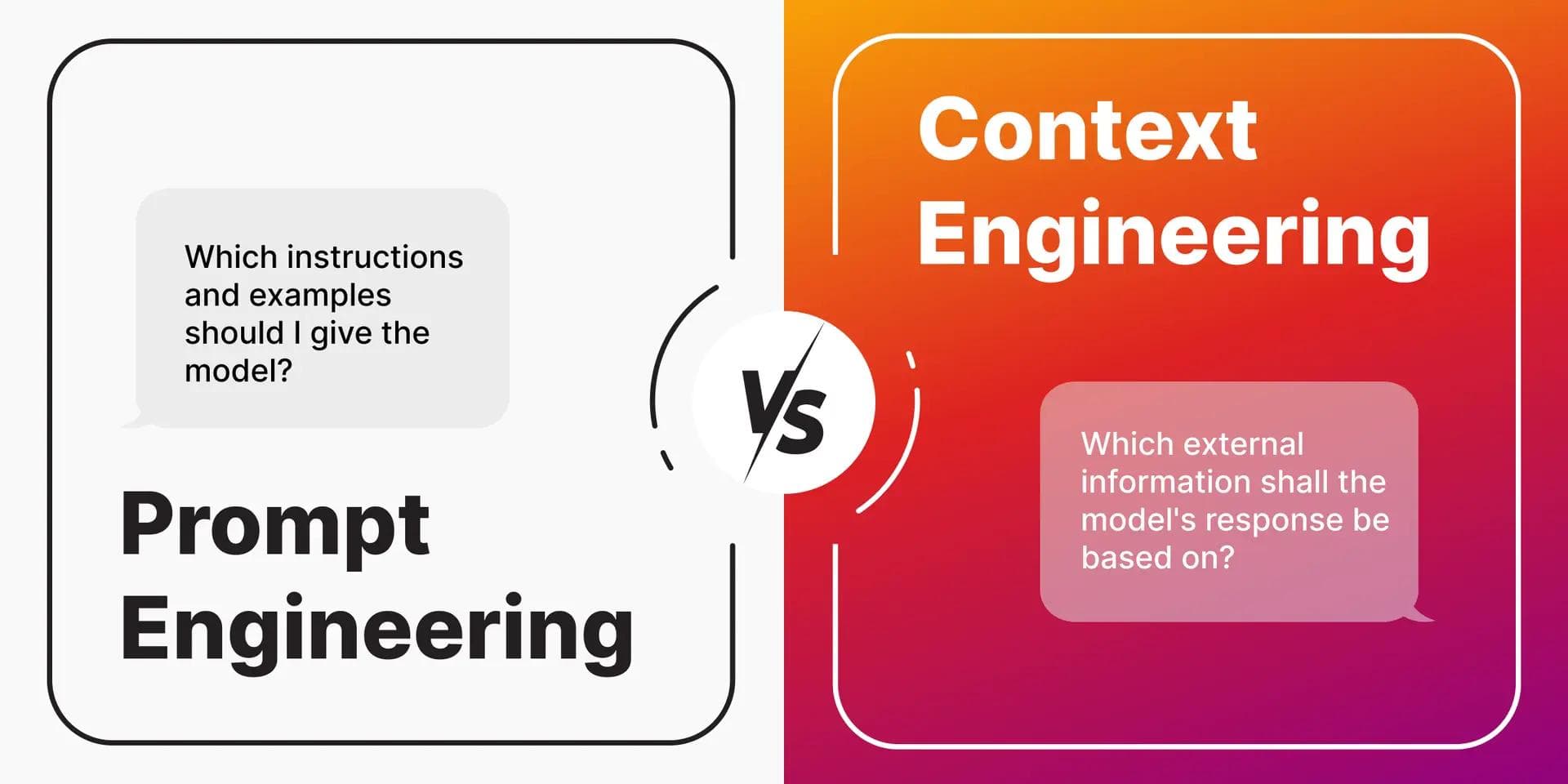
Learn what prompt engineering really is in 2025—from zero-shot basics to context engineering and RAG. A practical beginner's guide that goes beyond "magic phrases" into systems that actually work.

Vibe coded your app but can't make money from it? Add these 5 reliability layers — auth, errors, state, deploy, tests — before your first paying customer arrives.
Learn how to use Claude Opus for free in your terminal by connecting Agent Router's free API credits to Claude Code. Step-by-step guide for Windows, macOS, and Linux.

Kimi K2.6 beat GPT-5.5 in a viral coding contest. Here is what the benchmarks, pricing, and real agent data actually say about which model wins for your workflow.

A UX audit finds what's actually breaking your product's user experience. Here's how it works, what it costs, and why Indian startups need one now.

The 6 AI sectors generating real revenue for entrepreneurs in 2026 — healthcare, fintech, e-commerce, edtech, legal, and marketing automation explained with Indian angle.
Get weekly curations of the best articles, resources, and insights directly to your inbox about AI, Tech, Finance & Business.