LG and NVIDIA's Physical AI Talks Cover Robotics, Cooling, and Cars
LG and NVIDIA are exploring a physical AI partnership covering data center cooling, robotics, and automotive AI. Here's what it means and why India should watch closely.
By Abhijit
Home
LG and NVIDIA are exploring a physical AI partnership covering data center cooling, robotics, and automotive AI. Here's what it means and why India should watch closely.
By Abhijit
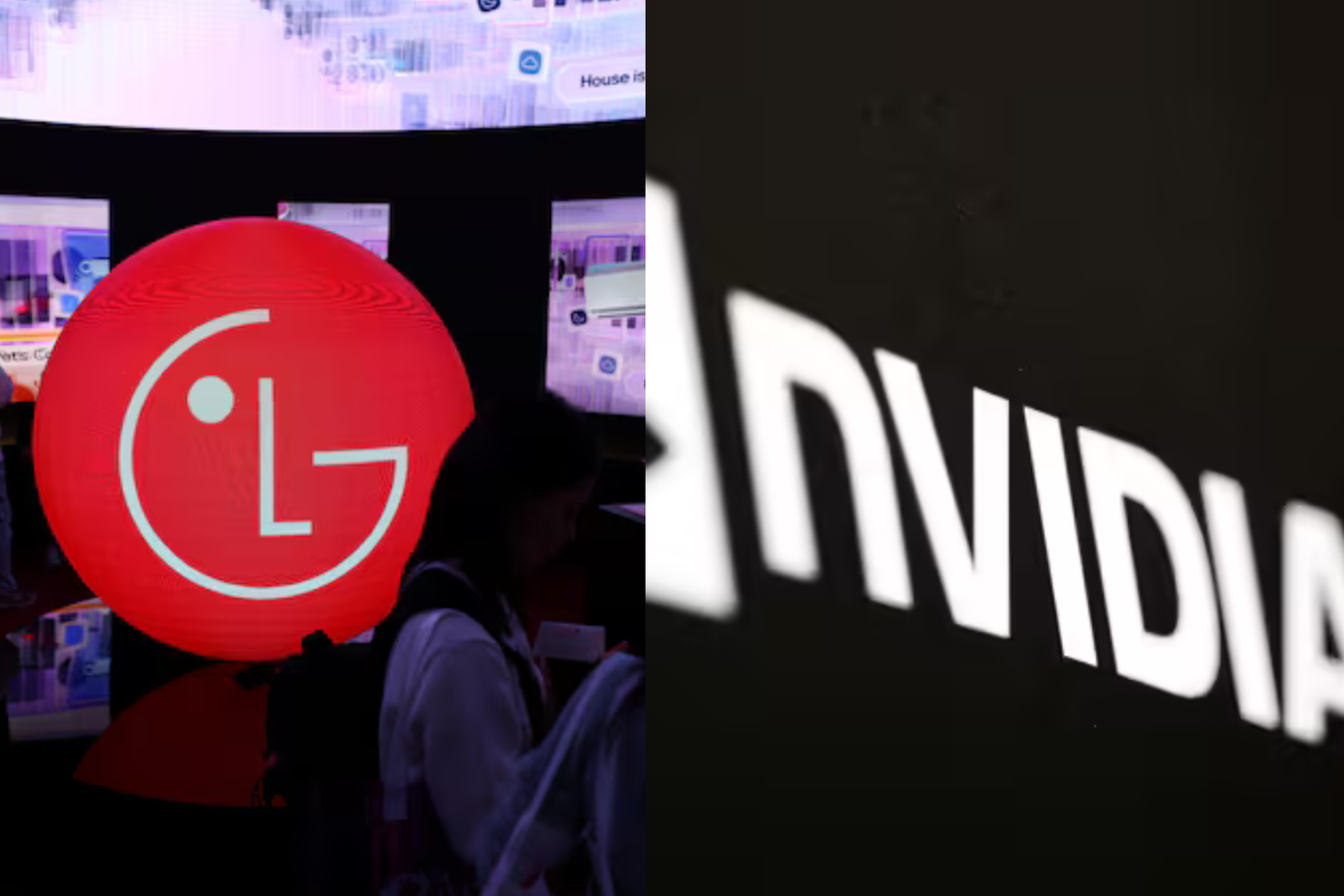
The CEO of LG met with the head of NVIDIA’s Omniverse Robotics division in Seoul, exploring cooperation in areas including artificial intelligence data centers, household robots, and automotive intelligence, without making any formal announcement but with enough common interest to continue discussions.
The physical AI, i.e., AI that exists and operates in the real world rather than a simulated environment, is running into the wall of its potential. And it is not a software limitation – the bottleneck for physical AI lies in hardware. Computing power is increasing while chip temperatures are rising, but the infrastructure for operating real-life AI systems is still largely non-existent.
The LG-NVIDIA conversations span three fronts: data centre thermal management, consumer robotics, and automotive AI. No deal is on paper. But the strategic logic connecting them is unusually clean.
At CES 2026, LG showcased AI-optimised HVAC systems built specifically for high-density server environments. NVIDIA is facing a thermal problem at exactly this scale — its latest DGX racks now consume up to 120kW each, three times the load from just 2023. Industry-wide, liquid cooling adoption sits at only 20%, leaving the majority of AI infrastructure running dangerously close to its thermal limit. LG's CES prototypes claim efficiency gains of up to 40% through direct-to-chip cooling — numbers that would meaningfully extend server uptime without expensive retrofits.
On the robotics side, LG unveiled CLOiD, a home robot with 7-DOF arms running on what it calls the Affectionate Intelligence platform. NVIDIA's Isaac simulation stack — which recorded 99.2% uptime in a Siemens factory trial earlier this year — is the obvious candidate to power CLOiD's training and inference. And LG's 100 million-plus ThinQ-connected devices give NVIDIA something it cannot easily source elsewhere: real home environment data at scale.
The automotive layer is already partially built. NVIDIA DRIVE holds roughly 80% of the autonomous vehicle compute market. LG supplies interiors and infotainment systems to approximately 15% of EVs globally, including Hyundai and Kia lines. Unifying their stacks could simplify OTA update cycles and cut OEM integration costs substantially.
Physical AI is having a breakout year. Funding in the sector hit $2.5 billion in Q1 2026 alone, per CB Insights. Both companies had reasons to pick up the phone.
NVIDIA has dominated training and cloud inference. The next battleground is the edge — where robots, vehicles, and smart appliances make decisions locally without routing back to a data centre. NVIDIA's simulation tools are world-class in controlled environments, but simulations trained on factory floors routinely fail in living rooms. Kids, pets, rearranged furniture, and unpredictable layouts are things clean factory datasets cannot teach a robot.
LG has the opposite gap. It has real-world consumer data and the distribution to match, but lacks the simulation stack to turn that data into safe, deployable robots. A partnership fixes both problems cleanly. The thermal angle adds urgency — NVIDIA's hardware partners are struggling to keep up, and LG's HVAC engineering is one of the few credible solutions available without tearing apart existing facilities.
Here is the part most coverage is skipping entirely: this is not primarily an AI story. It is an infrastructure story.
Physical AI does not work without a physical backbone — cooling systems, edge compute chips, consumer data pipelines, automotive integration layers. That backbone is expensive. Estimates put the total infrastructure spend required to support physical AI at over $1 trillion by 2030. The companies supplying that backbone may capture as much value as the pure AI firms building models. LG, if this partnership develops, is positioning itself as exactly that kind of supplier.
Running inference locally on a device like CLOiD — rather than sending every decision to a cloud server — could cut operating costs by up to 70%. That is the number that makes consumer robotics viable at a price point an actual household might pay for.
For Indian readers, the relevance is immediate. India is in the middle of a data centre construction wave. Adani, Tata, and several international operators are committing tens of thousands of crores to new facilities across Mumbai, Hyderabad, and Chennai. These buildings face the same thermal management crisis NVIDIA's global customers face. Cooling solutions emerging from an LG-NVIDIA collaboration will reach Indian data centre operators faster than most expect.
The robotics angle matters for India's manufacturing push too. NVIDIA's Isaac stack, validated in a real Siemens facility, is precisely the simulation tool Indian companies entering electronics assembly or logistics automation will need. An LG partnership that bundles consumer-grade robots with enterprise-grade simulation infrastructure could open a new category in India's automation market well before 2030.
Two signals are worth watching over the next 12 months.
The first is whether CLOiD moves from prototype to commercial pilot, and whether NVIDIA's Isaac stack appears anywhere in its deployment documentation. That would confirm the robotics integration is real, not just exploratory positioning.
The second is NVIDIA's data centre customer announcements. If major hyperscalers start referencing LG HVAC technology in their infrastructure build-outs, the cooling partnership has moved into actual deployments — and the capex cycle is turning faster than the market has priced in.
CES 2027 is the most likely venue for a formal announcement, if one comes.
LG and NVIDIA are solving the same problem from opposite ends — one controls the physical environment, the other controls the intelligence running inside it. Physical AI does not scale without both. The talks happening now are about who owns that integration layer when the robot in your living room and the server running your city's AI infrastructure both depend on the same thermal physics.
If you found this breakdown of the physical AI infrastructure race useful, there is more where this came from.
The Gridpulse Brief lands in your inbox every Sunday morning — five stories across AI, Tech, Finance, Business, and Science, already read, already analysed, already explained. No algorithm. No noise. Just the week's most important developments and exactly what they mean for you.
Free forever. One click to unsubscribe anytime.
Subscribe to The Gridpulse Brief.
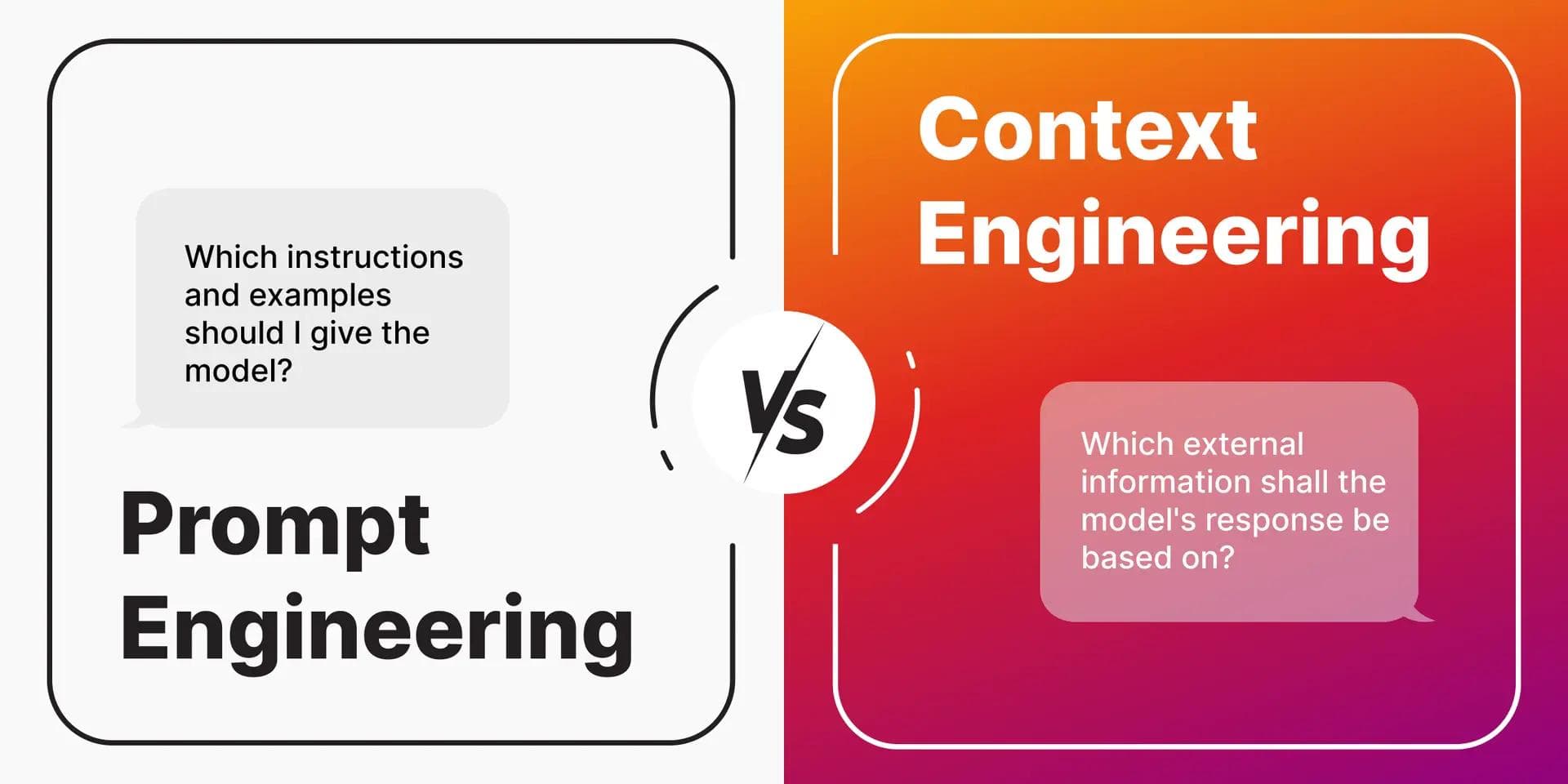
Learn what prompt engineering really is in 2025—from zero-shot basics to context engineering and RAG. A practical beginner's guide that goes beyond "magic phrases" into systems that actually work.
Vibe coded your app but can't make money from it? Add these 5 reliability layers — auth, errors, state, deploy, tests — before your first paying customer arrives.
Learn how to use Claude Opus for free in your terminal by connecting Agent Router's free API credits to Claude Code. Step-by-step guide for Windows, macOS, and Linux.
Kimi K2.6 beat GPT-5.5 in a viral coding contest. Here is what the benchmarks, pricing, and real agent data actually say about which model wins for your workflow.

A UX audit finds what's actually breaking your product's user experience. Here's how it works, what it costs, and why Indian startups need one now.

The 6 AI sectors generating real revenue for entrepreneurs in 2026 — healthcare, fintech, e-commerce, edtech, legal, and marketing automation explained with Indian angle.
Get weekly curations of the best articles, resources, and insights directly to your inbox about AI, Tech, Finance & Business.