Pfizer Beats Q1 Estimates With $14.5B Revenue, Holds Full-Year Guidance
Pfizer beat Q1 2026 estimates with $14.5B revenue and $0.75 EPS. Here's what the 22% operational growth and Eliquis patent cliff mean for investors.
By Abhijit
Home
Pfizer beat Q1 2026 estimates with $14.5B revenue and $0.75 EPS. Here's what the 22% operational growth and Eliquis patent cliff mean for investors.
By Abhijit
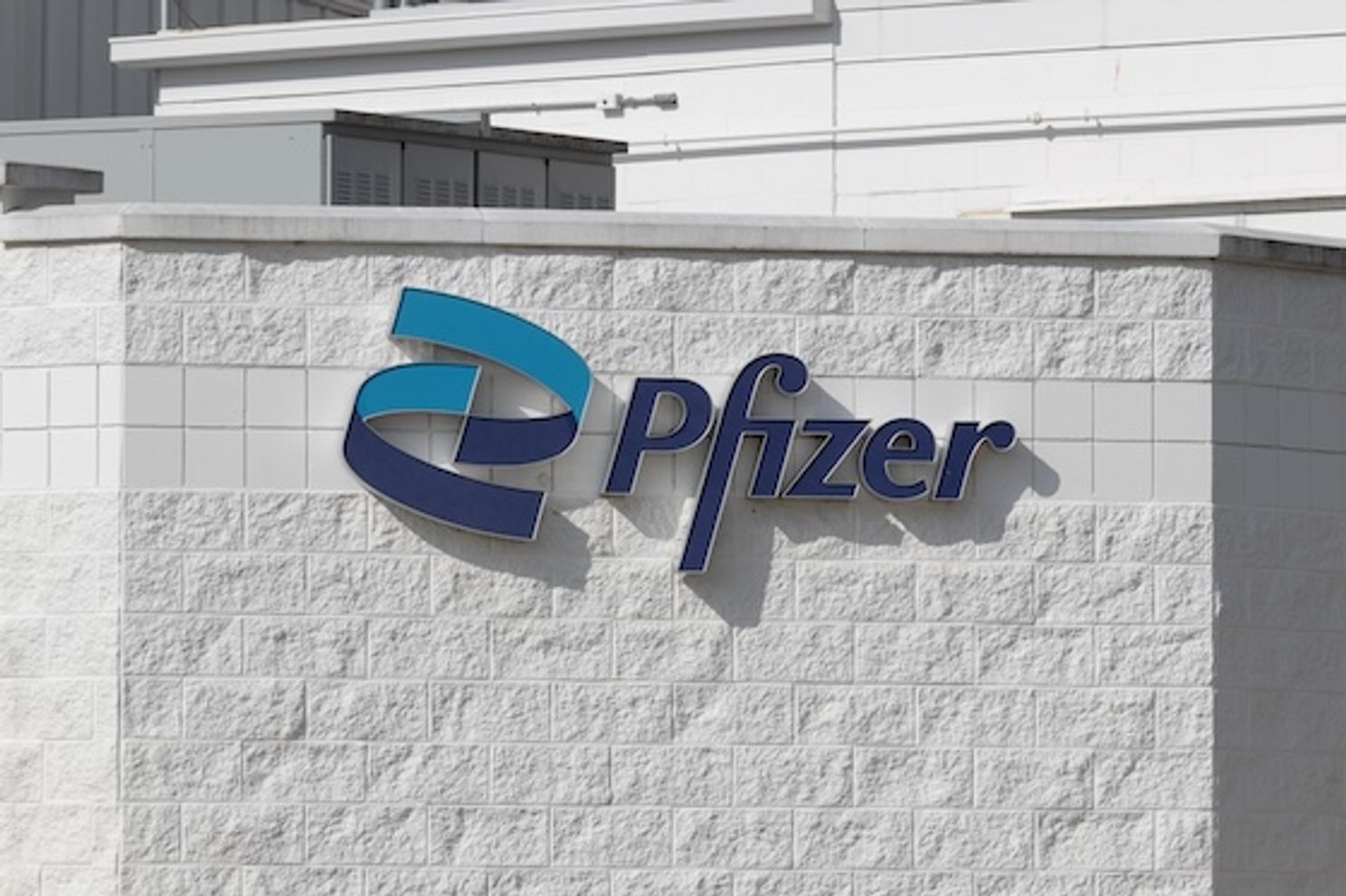
The pharmaceutical firm reported a profit of $14.5 billion in the first quarter of 2026, surpassing expectations for revenues of $13.8 billion. Earnings per share came in at $0.75 compared to projections of $0.72. Pfizer maintained its guidance for the year's total revenue at $59.5 billion to $62.5 billion, with shares rising 0.5% during pre-market hours.
The drug manufacturer is currently in the midst of one of the most scrutinized transitions in the industry. One of its largest sources of revenue, the blood thinner Eliquis, will face generic competition starting from 2027 and 2028. Until then, every quarter is a test of whether their new offerings can generate enough revenue to offset that loss.
Revenue from operations increased by 22% compared to last year, thanks largely to products launched or acquired by Pfizer in the past three years. Products other than those used to treat COVID-19 now make up 85% or more of total sales, a remarkable change from 2022, when the company relied on pandemic products to keep its doors open.
The main sources of revenue growth are Padcev, the oncology drug introduced following Pfizer’s $43 billion purchase of Seagen, which rose by 45% year-over-year, and Vyndaqel, a rare disease drug, which rose by 30% in Q1. These figures show clearly that Pfizer’s Seagen deal, derided as expensive by many critics back then, is delivering returns.
Regarding guidance, the company kept its earnings forecast for the year unchanged, pegging it at $2.80 to $3.00 per share. The company will not buy back any shares this year. This point, while overlooked by many headlines, holds great significance.
The 22% operational revenue growth is not a single product hitting big. It is the output of a deliberate post-COVID portfolio rebuild — more than 20 new products added through acquisitions and in-house launches, paired with a 15% increase in R&D spending to $11 billion annually, with over 25 active Phase 3 trials currently running.
The Seagen acquisition is central to this story. Oncology is the highest-margin category in pharma, and Padcev's 45% quarterly growth rate suggests Pfizer's cancer drugs are scaling faster than analysts modelled. Pfizer also extended Vyndaqel's commercial window by striking deals with generic manufacturers — a legal strategy that buys two to three years before market exclusivity fully erodes.
The broader pharma industry faces $300 billion in patent cliff exposure by 2030, according to IQVIA data. Pfizer has more exposure than most, but it is also the company that has moved most aggressively to build a replacement revenue base.
Here is what most of the coverage is underplaying. Pfizer currently trades at 11 times forward earnings. The pharma sector average is 14 times. That discount exists because the market is pricing in the Eliquis patent expiry as a near-certain revenue event — and it is not wrong to do so. Eliquis generated $6.7 billion in 2025 alone, and once generics enter, history shows they capture roughly 70% of market share within the first year of launch.
But the Q1 numbers are showing that the new product base is growing fast enough to absorb a meaningful share of that hit. Oncology and rare disease revenue together are now adding billions in annual run-rate, and that trajectory continues accelerating. The cliff is real, but it may not be as steep as the current stock multiple implies.
The suspension of buybacks deserves its own read. Pfizer is holding over $10 billion in cash, and it is preserving that for acquisitions rather than returning capital to shareholders. In a period when AI-driven drug discovery is attracting serious investment — from CRISPR-focused biotechs to companies using machine learning to compress trial timelines — that cash pile positions Pfizer to make a bolt-on deal that could meaningfully change the earnings story well before the Eliquis cliff arrives.
For Indian readers, this story has a direct commercial angle that global coverage largely ignores. Indian pharmaceutical companies — Dr. Reddy's, Sun Pharma, Cipla — are among the world's largest manufacturers of active pharmaceutical ingredients. The Eliquis generic opportunity, once Pfizer's exclusivity deals unwind, represents a significant export revenue event for India's API manufacturing base. The Pfizer patent timeline is, effectively, a business calendar for a segment of India's pharma industry. Indian investors in global pharma ETFs or US equities should be tracking when those exclusivity arrangements begin to expire.
Pfizer India, separately listed on the BSE and NSE, is a different entity from the US parent — but any Indian investor watching the domestic pharma sector should understand how the global Eliquis cycle flows into the Indian generic supply chain.
Two things are worth tracking closely in the quarters ahead.
First, the Eliquis defense. Even though Pfizer has secured agreements for delaying the entry of generics, there are limitations to these agreements. The important thing to be seen will be whether Pfizer seeks to extend its period of exclusivity further, reformulate the drug, or make an acquisition move.
Second, Q2 product momentum. If Padcev and Vyndaqel maintain their current growth rates into the second quarter, that becomes the catalyst that starts closing the gap between Pfizer's 11 times multiple and the sector's 14 times average. The Q2 report — expected in late July or early August — is the next high-signal event for anyone with a position in PFE or exposure to global pharma.
Pfizer's Q1 beat is not a lucky quarter — it is the first clean evidence that the post-COVID rebuild is actually working. The market is still pricing Pfizer at a steep discount to peers because of the Eliquis cliff. But new product growth is compounding at a rate that could make that discount look like a mispricing. Patient investors who understand what is happening inside the numbers are looking at a very different story than the headlines suggest.
If you found this breakdown useful, there is more where this came from. The Gridpulse Brief lands in your inbox every Sunday morning — five stories across AI, Tech, Finance, Business, and Science, already read, already analysed, already explained. No algorithm. No noise. Just the week's most important developments and exactly what they mean for you. Free forever. One click to unsubscribe anytime.
Subscribe to The Gridpulse Brief.
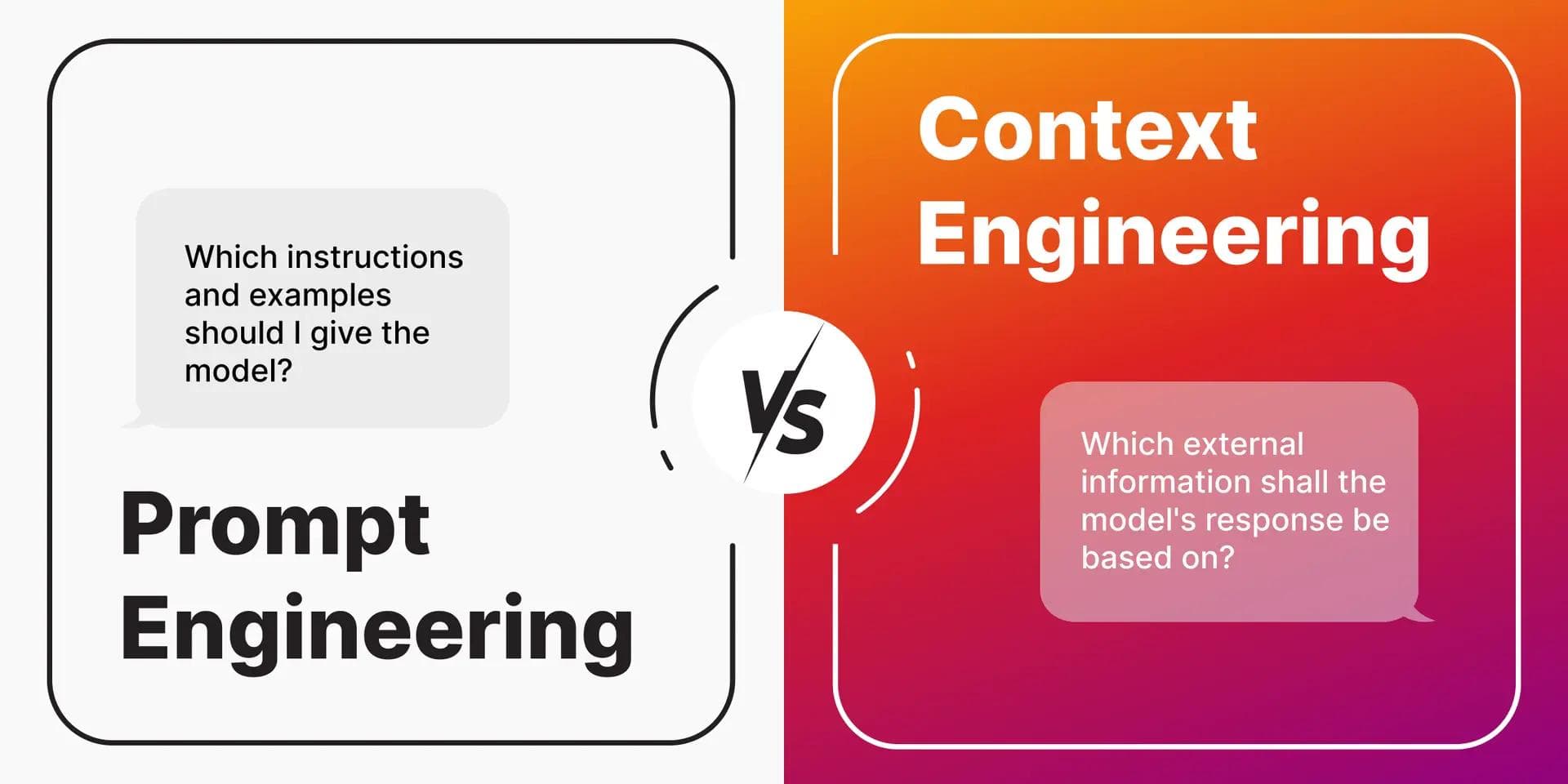
Learn what prompt engineering really is in 2025—from zero-shot basics to context engineering and RAG. A practical beginner's guide that goes beyond "magic phrases" into systems that actually work.
Vibe coded your app but can't make money from it? Add these 5 reliability layers — auth, errors, state, deploy, tests — before your first paying customer arrives.
Learn how to use Claude Opus for free in your terminal by connecting Agent Router's free API credits to Claude Code. Step-by-step guide for Windows, macOS, and Linux.
Kimi K2.6 beat GPT-5.5 in a viral coding contest. Here is what the benchmarks, pricing, and real agent data actually say about which model wins for your workflow.

A UX audit finds what's actually breaking your product's user experience. Here's how it works, what it costs, and why Indian startups need one now.

The 6 AI sectors generating real revenue for entrepreneurs in 2026 — healthcare, fintech, e-commerce, edtech, legal, and marketing automation explained with Indian angle.
Get weekly curations of the best articles, resources, and insights directly to your inbox about AI, Tech, Finance & Business.