PS6 Release Date: Everything We Know in 2026
PS6 release date explained — why AI chip shortages are pushing Sony's next console to 2028 or 2029, what specs to expect, and the Project Canis handheld rumours.
By Abhijit
Home
PS6 release date explained — why AI chip shortages are pushing Sony's next console to 2028 or 2029, what specs to expect, and the Project Canis handheld rumours.
By Abhijit
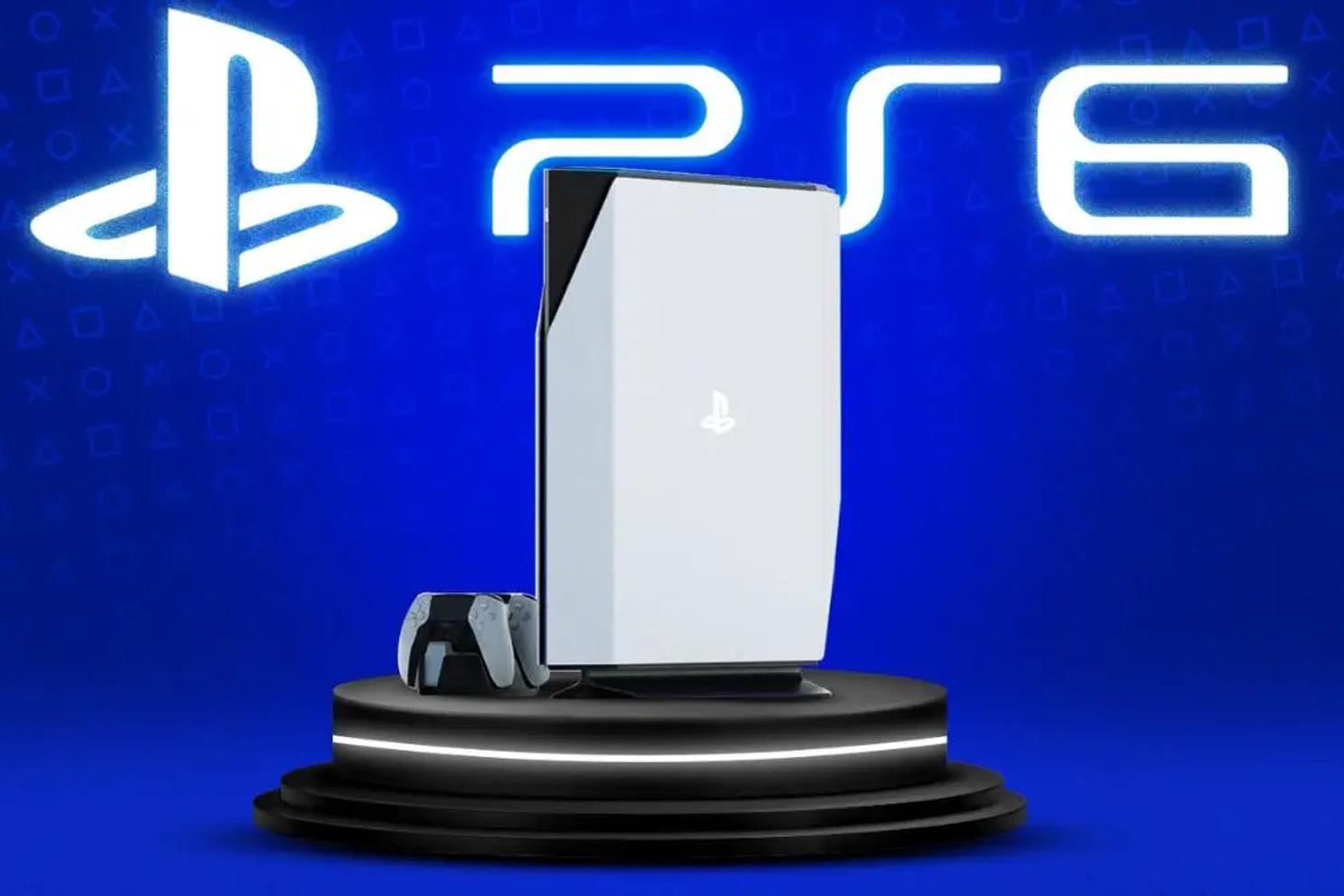
Sony's PlayStation 6 is almost certainly not arriving before 2027, and a 2028 or even 2029 launch is looking increasingly realistic — thanks to a chip shortage that has nothing to do with gaming.
If you own a PS5 or are on the fence about buying one, the PS6 timeline directly affects your next hardware decision. A 2028 launch means the PS5 still has two to three years of relevance ahead of it. But the story is more complicated than a simple delay — there are hardware leaks, prediction markets, a rumoured handheld device, and an AI-driven supply crisis that most gaming coverage is either ignoring or burying. Here is the full picture.
In February 2026, Bloomberg reported that Sony is internally targeting a 2028 to 2029 launch window for the PS6. The culprit, according to those reports, is a severe shortage of high-bandwidth DRAM — the type of memory modern gaming hardware depends on. AI data centres are consuming over 70% of available HBM supply globally, leaving companies like Sony competing for components against trillion-dollar hyperscalers building out GPU clusters.
Leaker KeplerL2, who has a reasonably accurate track record on PlayStation hardware, has pushed back on the pessimistic timeline. Their claim is that a Holiday 2027 launch remains on track, contingent on memory supply stabilising. Prediction market platform Kalshi currently places the odds of a pre-2027 official announcement at somewhere between 22% and 25% — suggesting the market leans toward a later reveal but hasn't written off the possibility of a surprise.
PS6 development kits are already circulating in major studios. God of War, Spider-Man, and other first-party franchises are reportedly in cross-gen development, which typically happens 18 to 24 months before a hardware launch. That puts a 2027 reveal — not launch, but reveal — well within reach.
The PS5 launched in November 2020 with a custom AMD chip built on TSMC's 7nm node. Sony and AMD have been co-developing PS6 hardware using Zen 6 architecture for the CPU and RDNA 5 for the GPU — the same generation AMD is preparing for its next PC graphics cards.
The problem is not Sony's engineering. It is the global DRAM situation. AI training and inference workloads require enormous amounts of high-bandwidth memory, and the biggest buyers in that market are Microsoft, Google, Amazon, and Meta — all of whom are spending tens of billions of dollars on data centre expansion right now. Sony simply cannot compete with that purchasing power when placing orders for PS6 components at the volume a consumer console launch requires.
There is also the cost reality. PS5 launched at $499 for the disc version. Its BOM — bill of materials — at launch was estimated around $450. For PS6, with 24 to 32GB of GDDR7 RAM, a cutting-edge SSD, and the Zen 6/RDNA 5 chip, current estimates put the component cost at approximately $760. Sony will have to absorb losses on hardware or price the console significantly higher than its predecessor.
PS5 Pro launched at $699. The PS6 base model is being speculated at $500 to $600, with a Pro variant potentially hitting $800 to $1,000. A handheld variant — more on that shortly — could come in around $350 to $400.
This is where things get interesting — and where most gaming coverage misses the bigger picture.
The handheld angle is the most underreported part of this story. Internal Sony documents and leaker accounts have referenced a device codenamed Project Canis — a portable PlayStation that would run native PS5 titles, not streamed versions. The PlayStation Portal, Sony's $200 remote-play device, sold out repeatedly and generated genuine demand signal. Canis is the logical hardware response to that demand.
If Project Canis ships alongside or shortly after the PS6, Sony's strategy shifts from a single living-room device to a two-device ecosystem — home console and handheld, sharing the same game library. Nintendo's Switch 2 is the obvious comparison, but Canis running Zen 6 and RDNA 5 silicon would be a categorically more powerful machine than the Switch 2. The question is whether Sony can hit a price point that makes it viable.
The AI upscaling picture matters here too. PlayStation's Spectral Super Resolution — PSSR — debuted on PS5 Pro and dramatically improved image quality at lower render resolutions. PSSR 2.0 on PS6 is expected to be more capable, trained on larger datasets, and more efficient. Mark Cerny, PS6's lead architect, has been visibly involved in AMD's Amethyst ML project — a machine learning initiative that feeds directly into the kind of AI-powered rendering PS6 would use. A handheld running PSSR 2.0 could punch well above its thermal weight.
For Indian gamers and buyers, the price reality is brutal. India imposes GST at 18% plus additional import duties on gaming consoles. A base PS6 at $600 translates to approximately ₹50,000 before taxes and retail margin. By the time it hits Indian shelves — which historically happens 30 to 60 days after the global launch — you are realistically looking at ₹65,000 to ₹75,000 for the base model. A Pro variant could cross ₹1 lakh. India's console gaming market has always been squeezed by these economics. PC gaming and mobile gaming dominate partly because a ₹70,000 outlay for a single-use device is a significant ask at Indian income levels.
The good news for Indian gamers is timing. If PS6 arrives in 2028 or 2029, the current PS5 pricing will drop substantially. You could pick up a PS5 — which will still receive games for years post-PS6 launch — for significantly less.
The competitive pressure is also real. Microsoft is developing its own next-generation hardware under the internal codename Xbox Helix. Microsoft's strategy leans heavily on Game Pass and cloud gaming. If Xbox Helix ships before PS6 and makes a strong impression, Sony will feel that in the pre-order cycle. A 2029 PS6 launch that follows an impressive Xbox Helix by 12 to 18 months would be a much harder commercial environment than a simultaneous generation transition.
The scenario that keeps Sony strategists up at night: Xbox Helix arrives in Holiday 2027, ships Game Pass Day One for all titles, and makes the value proposition argument before PS6 is even announced. Sony's response would need to be an incredibly strong first-party software lineup and a price that doesn't alienate buyers who are already watching their discretionary spending.
Two things are worth watching closely over the next 12 months.
DRAM supply in Q4 2026. If high-bandwidth memory production ramps faster than expected — driven by SK Hynix, Samsung, and Micron all expanding capacity — Sony's procurement window improves significantly. A supply normalisation by Q4 2026 would make a 2027 reveal event plausible, with a Holiday 2028 launch to follow. Keep an eye on quarterly earnings calls from those three memory manufacturers. They are the canary in this mine.
Project Canis leaks. Handheld hardware is significantly harder to keep quiet than a home console because it requires different thermal design, battery, and display components from different supply chains. If Canis is real and on Sony's roadmap, component orders will surface in the leak community over the next 12 to 18 months. The moment credible Canis leaks land, the entire PS6 narrative shifts from "delayed home console" to "Sony is building a platform."
If neither of those developments materialises by mid-2027, the 2029 Bloomberg timeline becomes the working assumption.
PS6 is real, it is in development, and its hardware will be a genuine generational leap — Zen 6 and RDNA 5 delivering up to 3x the rasterisation performance and potentially 6 to 12 times the ray tracing capability of PS5. The delay is not about Sony's ambition. It is about memory chips that the AI industry is consuming faster than anyone in gaming anticipated two years ago. The honest answer to "when is the PS6 coming out" is this: 2027 is possible if supply improves; 2028 is the most likely window; 2029 is not out of the question. Plan your PS5 purchase decisions accordingly — and watch the handheld rumours, because Project Canis might be the more interesting story.
If you found this breakdown useful, there is more where this came from. The Gridpulse Brief lands in your inbox every Sunday morning — five stories across AI, Tech, Finance, Business, and Science, already read, already analysed, already explained. No algorithm. No noise. Just the week's most important developments and exactly what they mean for you. Free forever. One click to unsubscribe anytime.
Subscribe to The Gridpulse Brief.
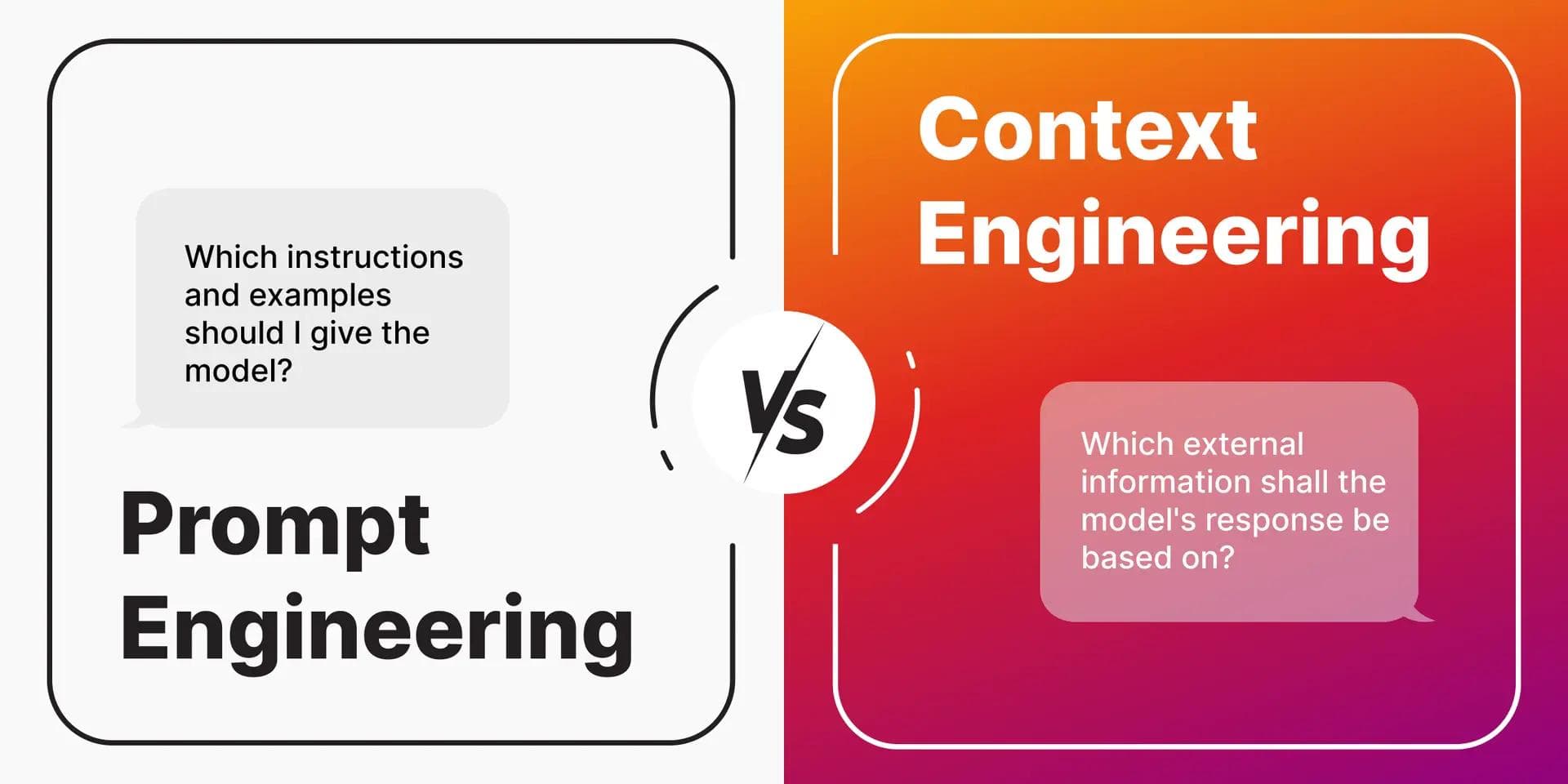
Learn what prompt engineering really is in 2025—from zero-shot basics to context engineering and RAG. A practical beginner's guide that goes beyond "magic phrases" into systems that actually work.
Vibe coded your app but can't make money from it? Add these 5 reliability layers — auth, errors, state, deploy, tests — before your first paying customer arrives.
Learn how to use Claude Opus for free in your terminal by connecting Agent Router's free API credits to Claude Code. Step-by-step guide for Windows, macOS, and Linux.
Kimi K2.6 beat GPT-5.5 in a viral coding contest. Here is what the benchmarks, pricing, and real agent data actually say about which model wins for your workflow.

A UX audit finds what's actually breaking your product's user experience. Here's how it works, what it costs, and why Indian startups need one now.

The 6 AI sectors generating real revenue for entrepreneurs in 2026 — healthcare, fintech, e-commerce, edtech, legal, and marketing automation explained with Indian angle.
Get weekly curations of the best articles, resources, and insights directly to your inbox about AI, Tech, Finance & Business.