US Markets Hit Records as Trump Admits He Expected a 25% Crash
Trump expected a 25% market crash from the Iran war. Instead, the Dow hit 50K. Here's what $129B in stimulus, oil at $90, and a valuation warning actually mean.
By Abhijit
Home
Trump expected a 25% market crash from the Iran war. Instead, the Dow hit 50K. Here's what $129B in stimulus, oil at $90, and a valuation warning actually mean.
By Abhijit
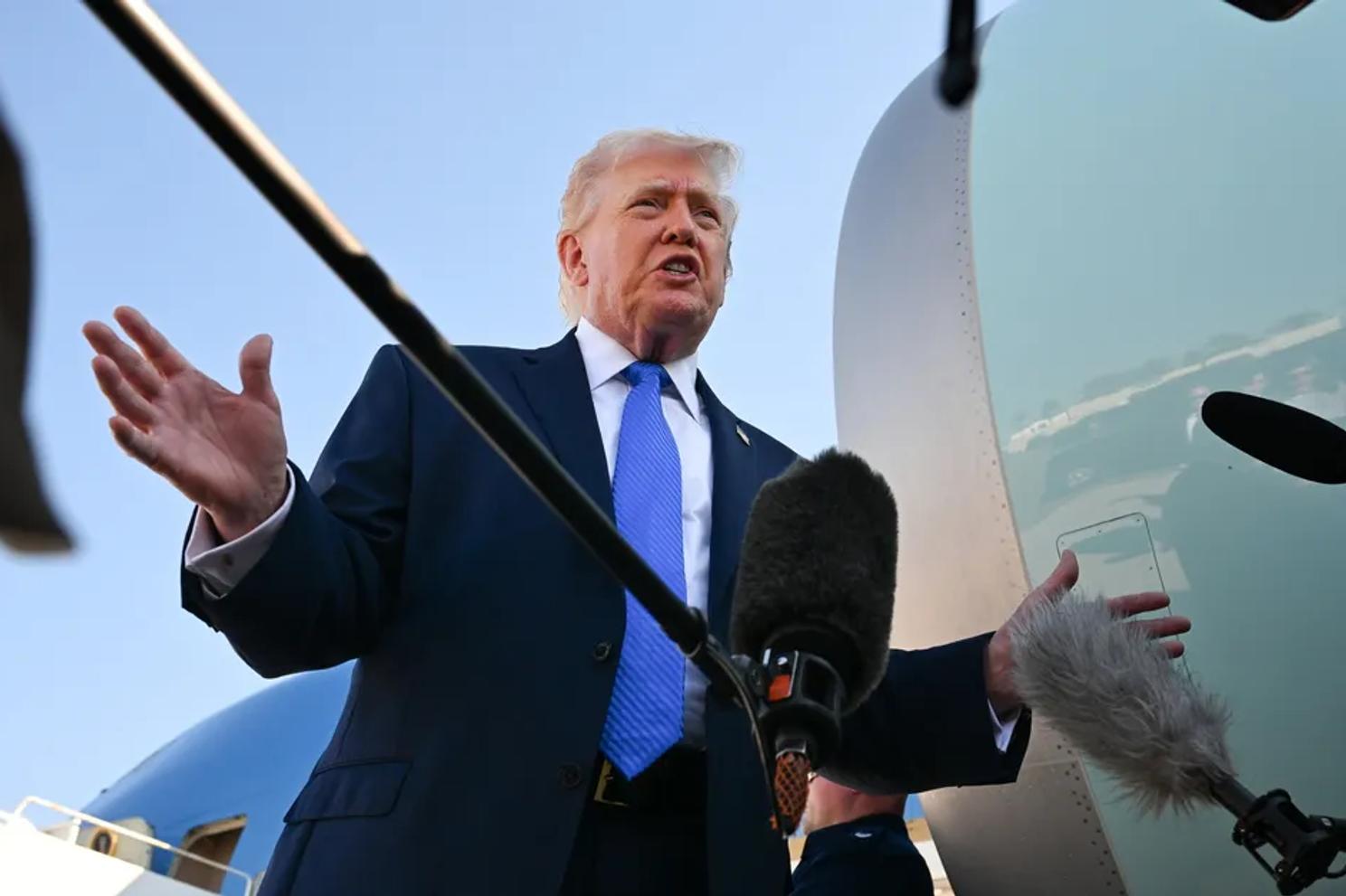
Donald Trump told a small business summit this week that he expected the Dow Jones to fall 25% when the US launched military operations against Iran — and then admitted, with visible surprise, that it didn't. The Dow is sitting near 49,800. The S&P 500 is at record highs above 6,200.
This isn't just a political story. If you have money in US-exposed mutual funds, global ETFs, or even tech stocks with heavy American revenue exposure, the question of whether this rally is real or propped up is one you need an answer to. The gap between what a sitting president predicted and what markets actually did tells you something important about how geopolitical risk gets priced in 2026.
Speaking at the Small Business Summit in May 2026, Trump said he fully anticipated a significant market selloff when the US escalated military pressure against Iran following the collapse of nuclear talks in early Q1. He called the expected pain "worth it" to stop Iran's nuclear programme. What he didn't expect was markets shrugging and climbing.
The SPY ETF — which tracks the S&P 500 — is up nearly 9% over the past month. Oil, which Trump feared could spike to $200 a barrel under Strait of Hormuz disruption scenarios, is trading around $90. European indices are down roughly 5% on energy exposure, but US markets have decoupled from the conflict in a way almost nobody predicted.
A key piece of the puzzle is the One Big Beautiful Bill Act, which delivered approximately $129 billion in effective tax refunds to American households by freezing IRS withholding. Treasury estimates put the average household windfall at around $2,500 — timed almost perfectly to absorb the fuel cost increases the Iran conflict triggered.
Markets are not ignoring the Iran war. They are pricing in something more specific: that the war's most damaging economic scenario — a genuine Hormuz closure — has not materialised. Saudi production ramps and expanded LNG export routes have capped oil far below the panic threshold. When the catastrophic outcome doesn't arrive, markets price for the outcome that did.
The second factor is sector composition. The S&P 500's gains are being driven primarily by tech and AI names, which have near-zero direct exposure to energy prices. A conflict that would devastate an energy-heavy index of the 1980s simply matters less when the index's largest components are software, semiconductors, and cloud infrastructure.
And then there's the stimulus. The $129 billion in refunds didn't just offset fuel costs — it hit household accounts at exactly the moment consumer sentiment was most vulnerable. Think of it as accidental stabilisation policy. The timing was the result of a tax bill, not a monetary response, but the effect on spending and confidence was similar to what the 2020 CARES Act produced.
Here is what most coverage is missing. Trump's "worth it" framing is doing something subtle but significant. By publicly accepting a 25% crash as a reasonable price for geopolitical action, he normalised the idea that market pain is a legitimate tool of foreign policy. That changes how investors read the next escalation. If a president signals in advance that they're willing to absorb economic damage, it's harder for markets to weaponise fear against the policy.
The risk is that this embeds a false confidence. Legendary investor Paul Tudor Jones has publicly warned that US equities are sitting at 252% of GDP — a valuation ratio that mirrors conditions near the 2000 dot-com peak. His base case for a correction is a 35% drop if the cyclically adjusted price-to-earnings ratio reverts from its current level of roughly 45 toward the historical norm of around 20. That's not an imminent trigger, but it's a structural vulnerability that no amount of stimulus eliminates.
The resilience also depends on oil staying where it is. One credible Hormuz disruption — not a threat, an actual sustained closure — would change the calculation inside 48 hours.
For Indian readers, this matters more than it looks. India imports around 85% of its crude oil, and the rupee's sensitivity to Brent moves is well-documented. US households got a $2,500 refund cheque to absorb the oil spike. Indian consumers got nothing equivalent. If Brent crosses ₹8,300 per barrel (roughly $100 at current rates), expect the RBI to hold interest rates longer than markets are pricing, which squeezes rate-sensitive sectors — real estate, NBFCs, and capital goods — harder than the headline indices suggest. Your Nifty ETF SIP may look fine. What's underneath it deserves a closer look.
Watch the Strait of Hormuz, not the headlines. The difference between "threat of disruption" and "actual sustained disruption" is everything in this scenario. If tanker traffic through the strait normalises over the next four to six weeks, the current market level has a defensible foundation. If it tightens, oil at $120 is not a stretch, and the stimulus offset disappears.
The second thing to track is whether the One Big Beautiful Bill refund is a one-time event or signals an ongoing willingness to use fiscal tools to cushion geopolitical shocks. If it's the former, the buffer that absorbed this conflict doesn't exist for the next one.
Markets didn't defy the Iran war on strength alone. They were caught by a $129 billion fiscal cushion, an oil price that stayed far below worst-case, and a tech-heavy index that barely feels energy shocks. The rally is real — but it's supported by conditions that are temporary. The structural overvaluation Paul Tudor Jones is pointing at hasn't gone away. Position accordingly.
If you found this breakdown useful, there is more where this came from.
The Gridpulse Brief lands in your inbox every Sunday morning — five stories across AI, Tech, Finance, Business, and Science, already read, already analysed, already explained. No algorithm. No noise. Just the week's most important developments and exactly what they mean for you.
Free forever. One click to unsubscribe anytime.
Subscribe to The Gridpulse Brief.
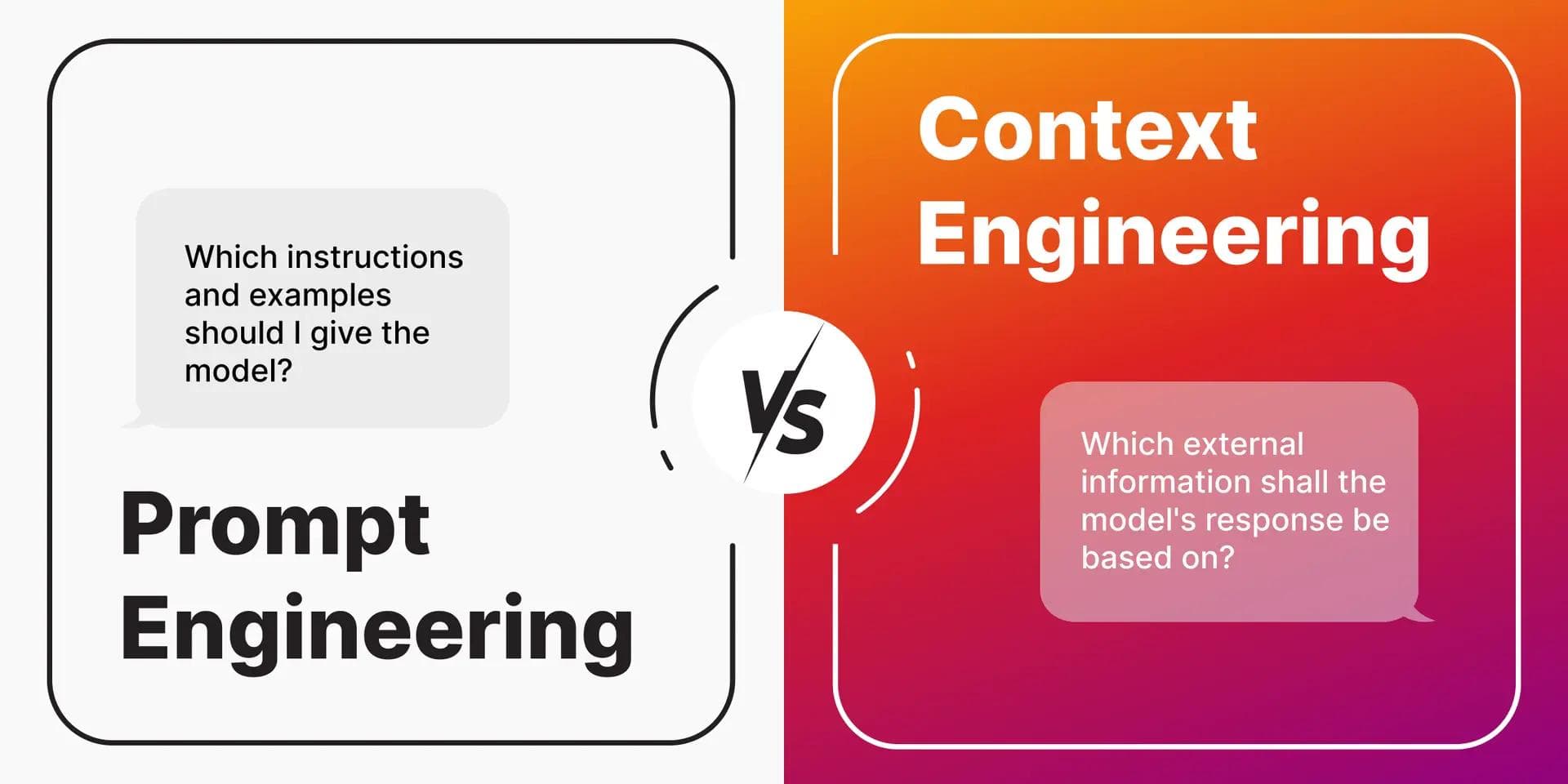
Learn what prompt engineering really is in 2025—from zero-shot basics to context engineering and RAG. A practical beginner's guide that goes beyond "magic phrases" into systems that actually work.

Vibe coded your app but can't make money from it? Add these 5 reliability layers — auth, errors, state, deploy, tests — before your first paying customer arrives.
Learn how to use Claude Opus for free in your terminal by connecting Agent Router's free API credits to Claude Code. Step-by-step guide for Windows, macOS, and Linux.
Kimi K2.6 beat GPT-5.5 in a viral coding contest. Here is what the benchmarks, pricing, and real agent data actually say about which model wins for your workflow.

A UX audit finds what's actually breaking your product's user experience. Here's how it works, what it costs, and why Indian startups need one now.

The 6 AI sectors generating real revenue for entrepreneurs in 2026 — healthcare, fintech, e-commerce, edtech, legal, and marketing automation explained with Indian angle.
Get weekly curations of the best articles, resources, and insights directly to your inbox about AI, Tech, Finance & Business.